


Traditional lunch with a village family
A home-cooked meal at the table of a Maramureș family.

Wooden churches, carved gates and villages that keep their own time
Maramureș sits in Romania's northern corner, cut off enough by its hills that older ways of life have simply carried on. Wooden gates are still carved by hand, hay is still turned with a fork, and Sunday still means best clothes and church.
It is not a museum, though — it is a working landscape, shaped by families who farm the same land their grandparents did. Visiting here often means being welcomed into a kitchen or a courtyard, and leaving with a much clearer sense of rural Romanian life than any castle can give.

Maramureș feels like Romania's countryside distilled. Wooden churches rise above small villages, their spires visible long before the buildings around them. Fields are worked by hand or with horses rather than heavy machinery, and the wooden gates outside each house are carved with symbols that still mean something to the family who lives there.
Days here move slowly and locally: a walk between villages, a conversation over plum brandy, a church bell marking the hour. It rewards travellers who are happy to linger rather than tick off sights.


Any of them can be added to a private or tailor-made journey.
A home-cooked meal at the table of a Maramureș family.
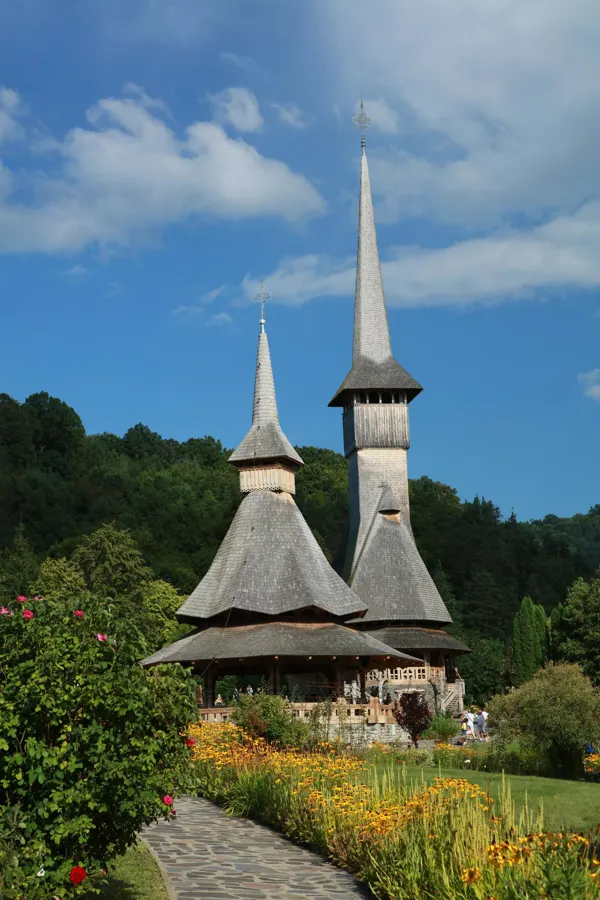
Visit some of the wooden churches the region is known for, built entirely of timber, several of them UNESCO World Heritage Sites.
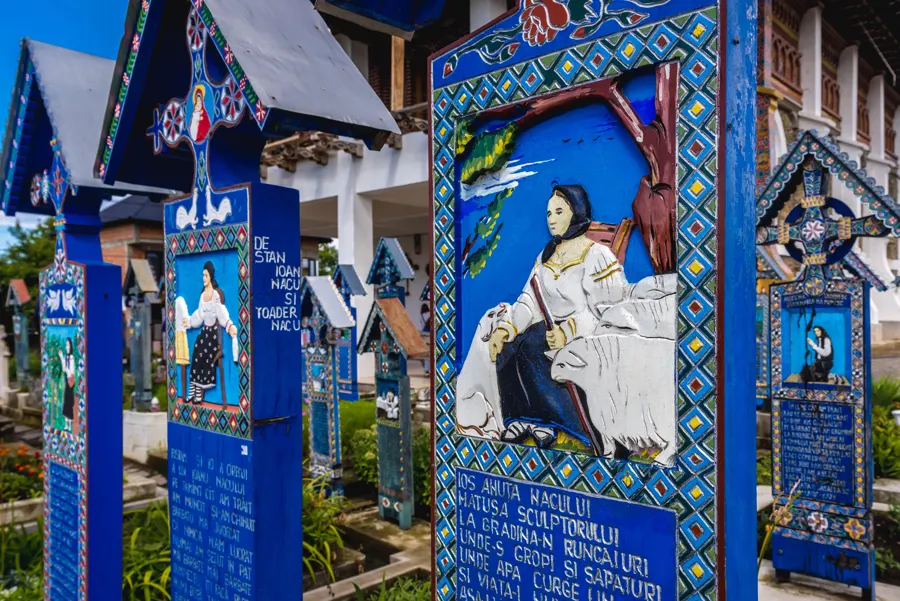
A famous cemetery with colourful carved crosses, each telling a short story about the person it remembers.
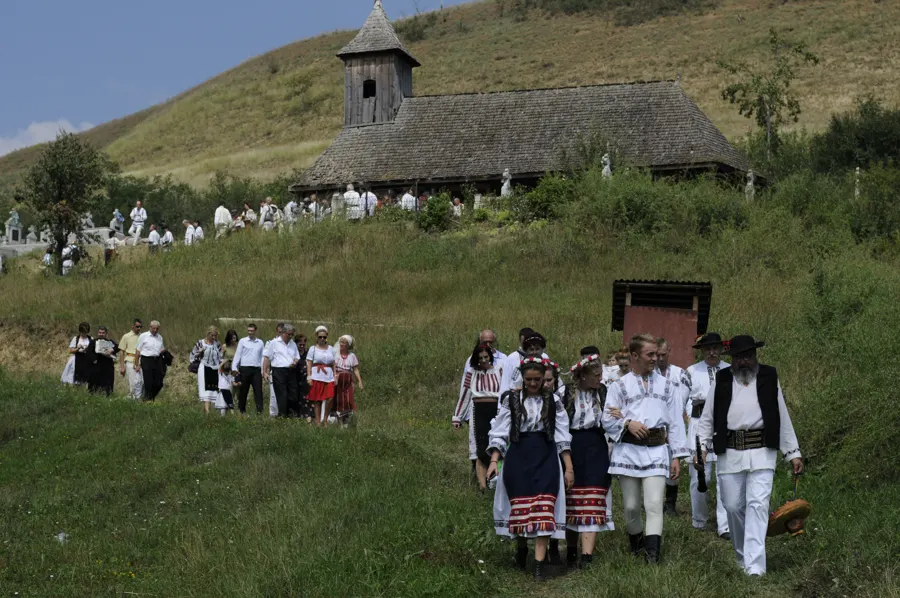
In many villages, traditional dress is still worn for church and for festivals. Spend time with people who keep these traditions alive.
Maramureș is best experienced unhurried, with time to sit at a family table rather than rush between villages. Build your trip and we'll design a small-group or private journey around the churches, crafts and welcomes that make this region what it is.
Five days where time settles down: wooden churches, villages with living traditions, and meals where you're a guest, not a tourist.
Next departure 28 Nov 2026 · places available
Six days in the corner of Europe where wooden churches, carved gates, haymaking by hand and Sunday dress are still part of ordinary…
Dates on request
Meals in Maramureș tend to be simple, seasonal and generous: soups thickened with sour cream, cabbage rolls, grilled meats, fresh cheeses and bread still warm from the oven. Plum brandy, horincă, is a local point of pride, often homemade and offered as a mark of hospitality rather than a formal drink.
Maramureș owes its character to families who have farmed the same hillsides for generations, largely without the industrial change that reshaped much of the rest of Europe. Its wooden churches, several UNESCO-listed, were built by local carpenters using techniques passed down through workshops rather than written plans, and the tall, shingled spires remain a defining sight of the region. Orthodox faith runs through daily life, marked by Sunday dress, feast days and village processions. Wood carving extends well beyond the churches, into the carved gates that mark almost every farmhouse, each pattern carrying meaning for the family it belongs to. Săpânța's Merry Cemetery, with its painted crosses and witty epitaphs, reflects a local tradition of facing death with humour rather than solemnity. Music, dance and handwoven textiles remain active parts of village life, not revived performances staged for visitors.
Maramureș sits among rounded hills and river valleys that stay close to farmland rather than wilderness. Fields are worked by hand or horse well into the season, and hay meadows rich with wildflowers are common through summer. Forested slopes rise behind many villages, home to deer and a good range of birdlife, including storks that nest on rooftops from spring onward. Walking between villages along quiet lanes is straightforward and rewarding, especially with haymaking underway. Autumn brings harvest colour and calmer roads; winter is cold and often snowy, which limits outdoor village activity but adds its own stillness to the landscape.
Late spring through early autumn is the easiest time to visit, when roads are clear and village life is most visible outdoors — haymaking in particular runs through the summer months. Autumn brings harvest colours and quieter roads. Winters are cold and can be snowy, which has its own appeal but limits some rural activities.
Two to three nights suit a focused visit to the wooden churches and Săpânța. Maramureș pairs naturally with Bucovina to the east for a longer journey through northern Romania's monasteries and villages, with a scenic mountain crossing between the two.
Regions that go well with Maramureș: Transylvania, Bucovina, The Carpathians.
Tell us how many days you have and what you enjoy. We'll shape the route around you — as a private journey or a tailor-made trip.
Build your trip in a few simple steps, or talk to us. We reply personally, with no obligation.
Maramureș is a longer journey from Bucharest, so many travellers fly into Cluj-Napoca or Baia Mare and continue by road. Onward transfers between villages are usually short, though routes are rural rather than fast.
Roads narrow considerably near the villages, and some rural stretches are unpaved or shared with carts and livestock. A relaxed pace suits the terrain far better than trying to cover ground quickly.
Village visits involve uneven farmyards, grass paths and occasional slopes rather than pavements. Church interiors can include narrow stairs; tell us about any mobility needs and we'll plan around them.
Summers are warm and best for haymaking and outdoor village life, while winters turn cold with regular snow. Spring and autumn are milder, though rural roads can be muddy after rain.
This is a region for lingering rather than rushing, with time built in for conversation, a home-hosted meal or an unplanned stop. Days are generally unhurried, with plenty of flexibility along the way.
Loading the weather…
Source: Open-Meteo
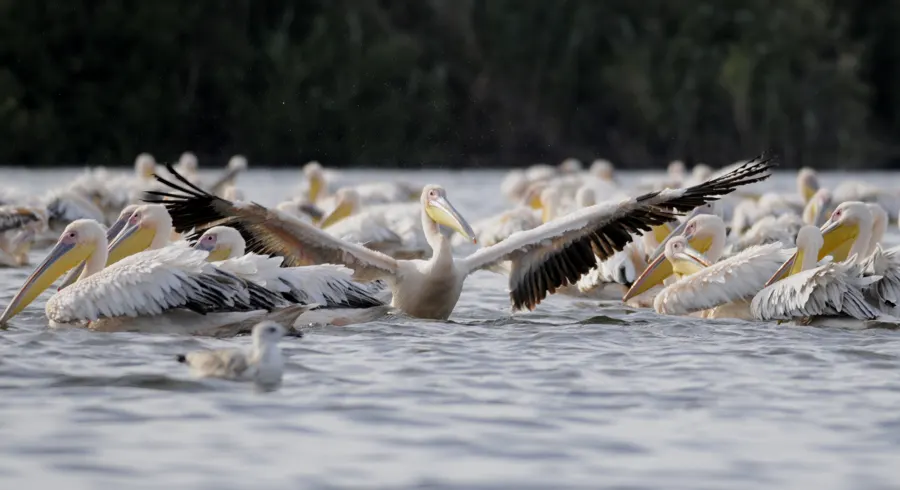
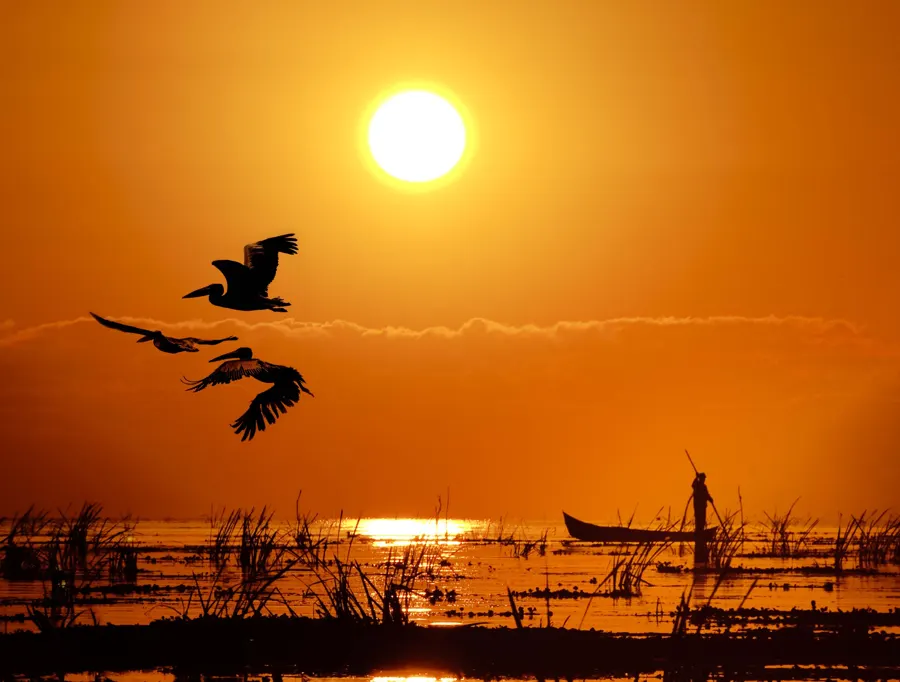
Autumn brings huge flocks of migrating birds to the Delta — a wonderful time to experience one of Romania's most remarkable nat…
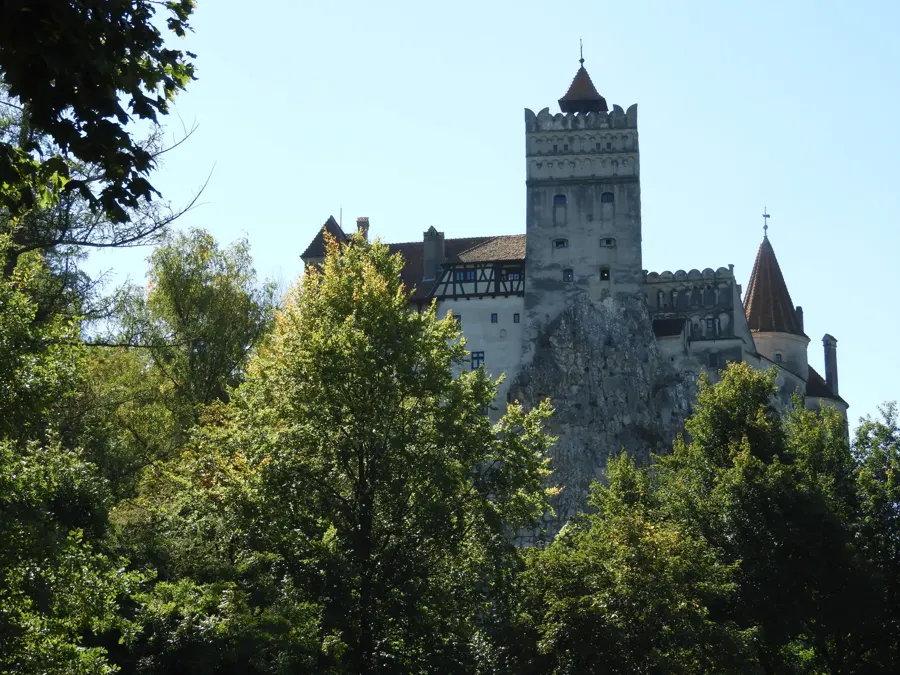
Experience Halloween at the home of the Dracula legend, with a festive dinner and optional evening celebrations.

The Grand Square comes alive with lights, music, carols and the warm scents of the Christmas season.
Tell us when you'd like to go, who's travelling and what you enjoy. We'll come back with a personal proposal, with no obligation.
Regions that travel well with Maramureș.
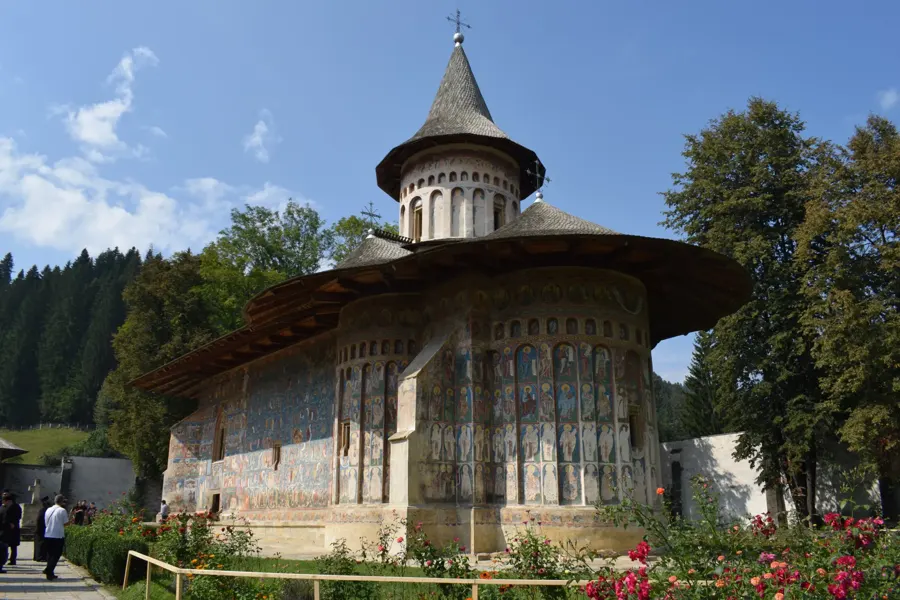
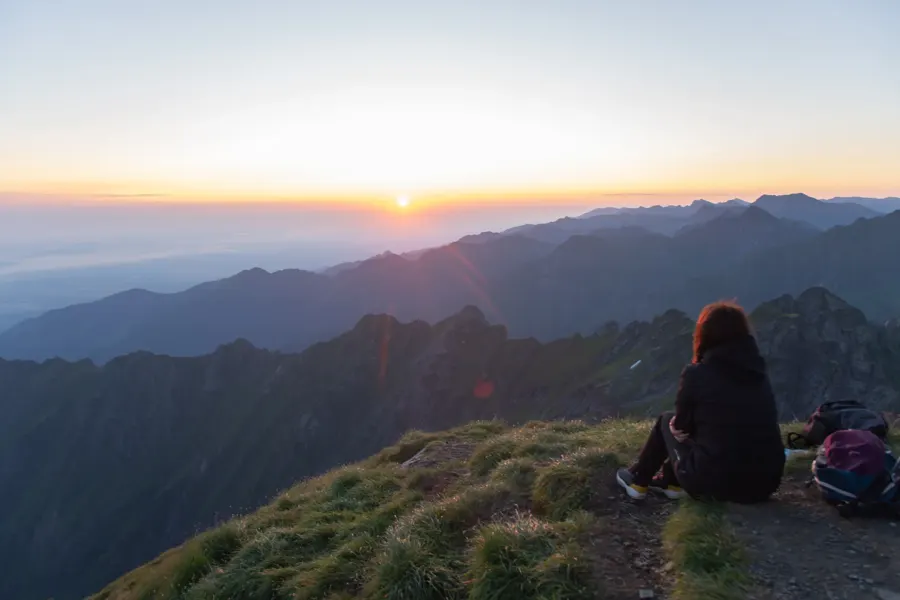
Midsummer flower crowns, medieval celebrations and Christmas markets filled with lights, music and the scent of cinnamon.
From Sibiu’s lights to village carols, a look at Romania’s Christmas markets and the traditions that surround them.

Spring blossom, golden autumns and snowy villages — why Romania is worth discovering in every season.
Get travel inspiration, new departure dates and special offers. No spam, unsubscribe any time.