


Guided walk through Sighișoara with a local
Streets, towers and stories you won't find in any guidebook.
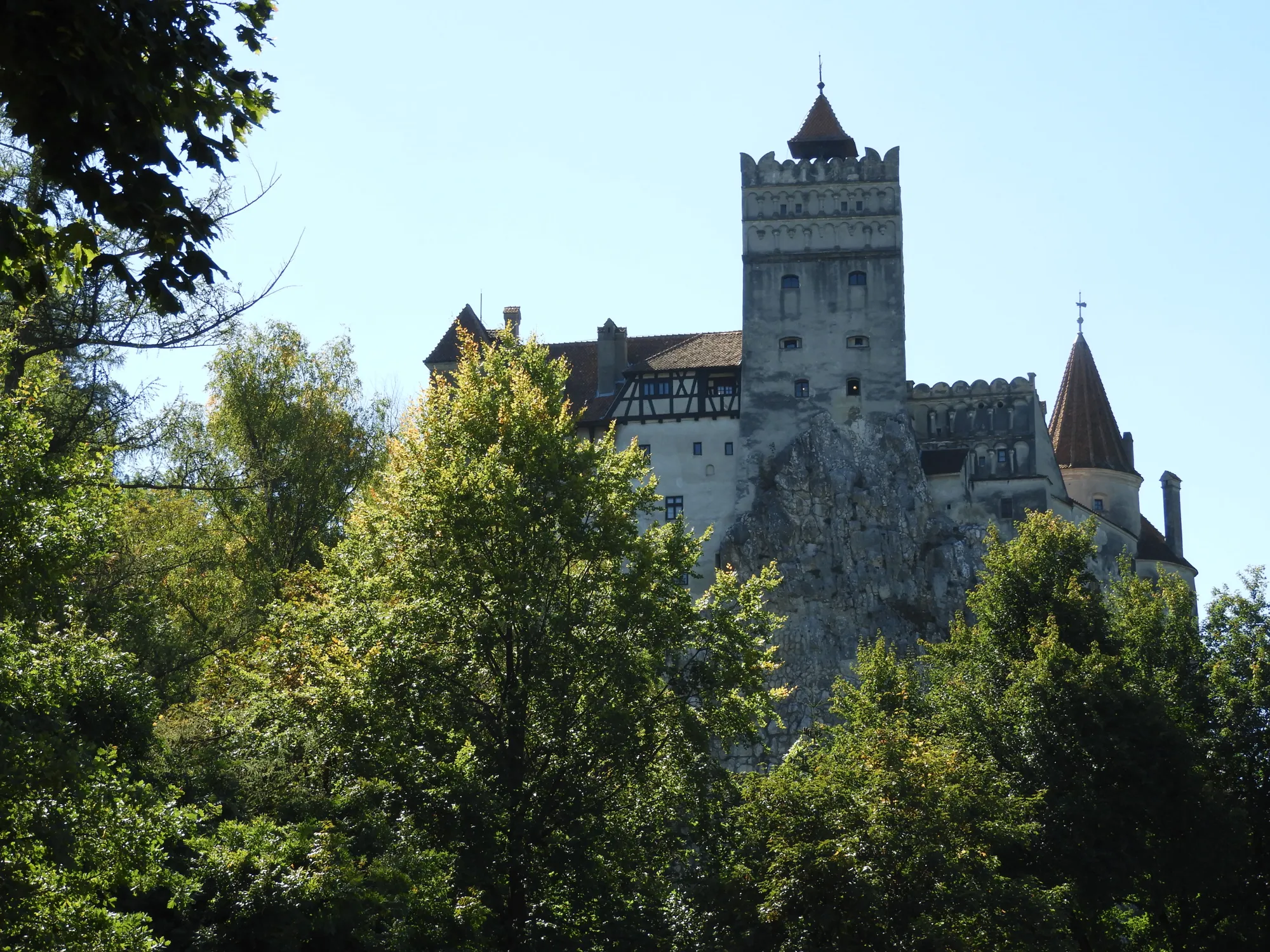
Fortress towns, green hills and roads that ask you to slow down
Transylvania is the Romania most people picture before they arrive: clock towers above red roofs, fortified churches on the hilltops, and horse-drawn carts sharing the road with the occasional car. It is a region built on centuries of Saxon, Hungarian and Romanian life side by side, and you can still feel that layered history in the architecture and the food.
This is also a region that rewards a slower pace. Beyond the well-known towns, quiet lanes lead to hay meadows, working farms and villages where the church bell still marks the day. It is easy to reach and easy to fall for.
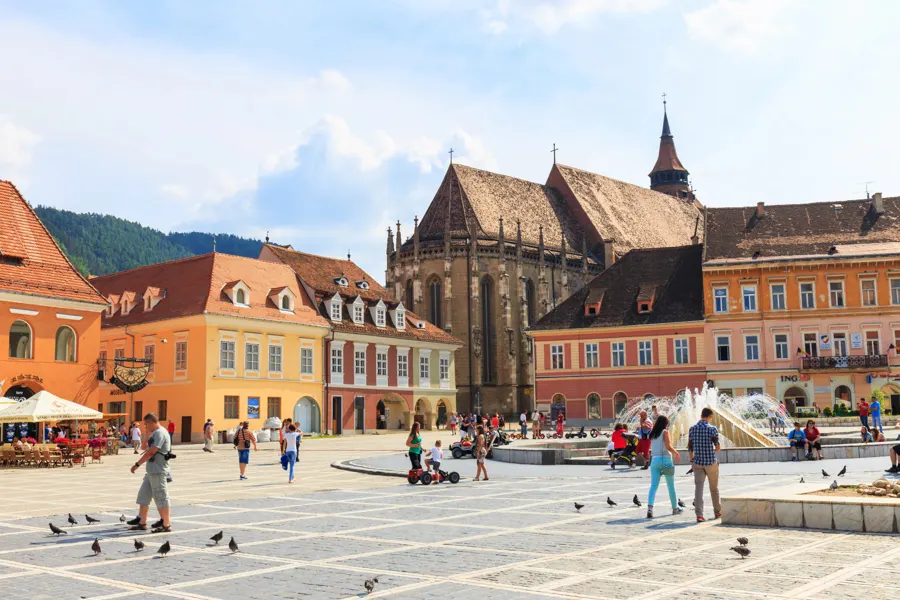
Transylvania has a rhythm of its own. Towns feel compact and walkable, with cobbled squares that fill with church bells and café chatter, while the countryside just outside them slows right down to the pace of a horse and cart. It is a region of contrasts held closely together: Gothic towers and communist-era blocks, grand castles and simple farmhouses, all within a short drive of one another.
Travellers who come for the castles usually leave remembering something quieter instead — a meal with a local family, a walk through hay meadows, the sound of a fortified church bell at dusk.
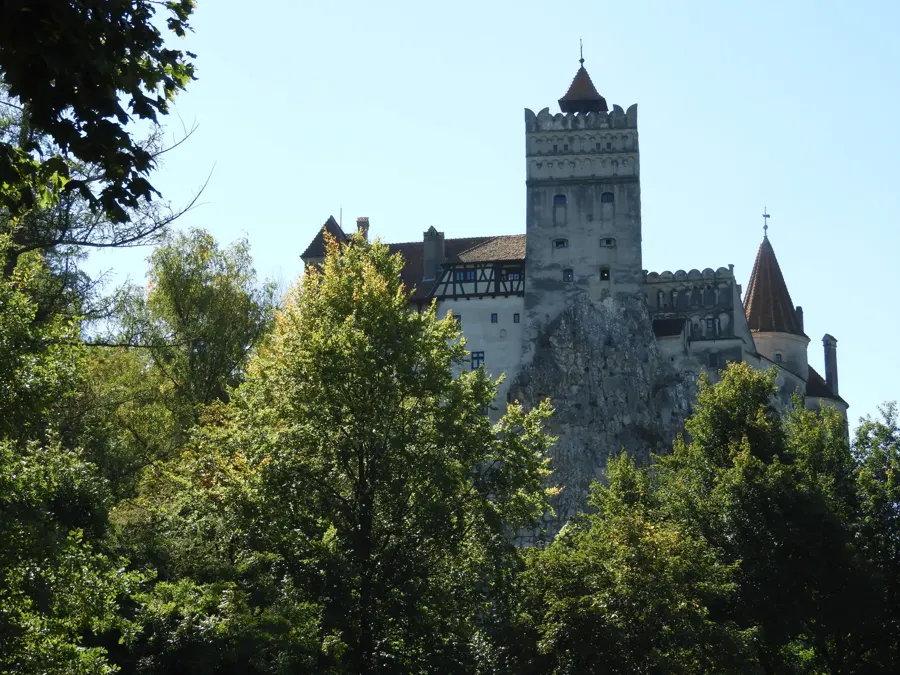
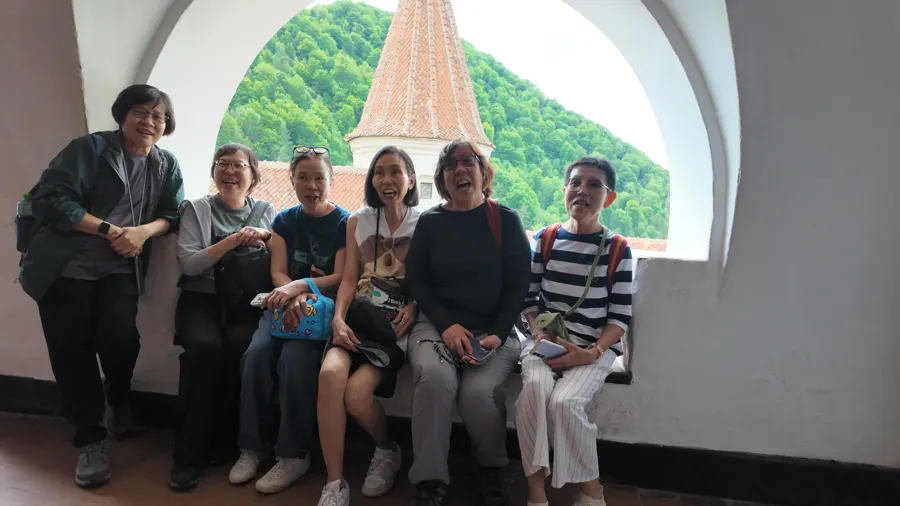
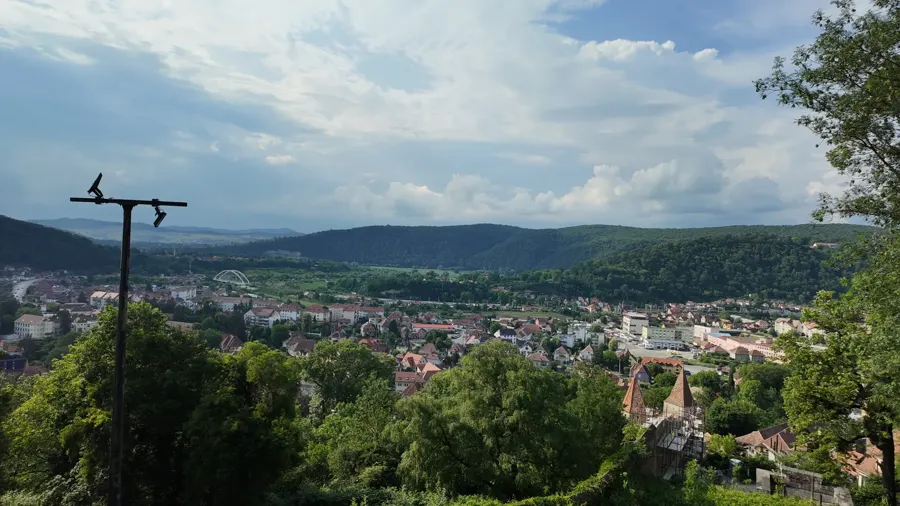
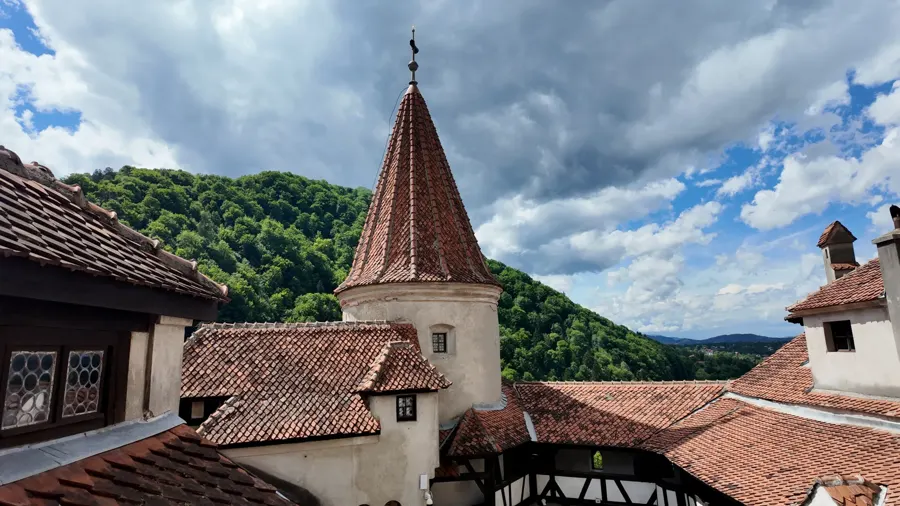
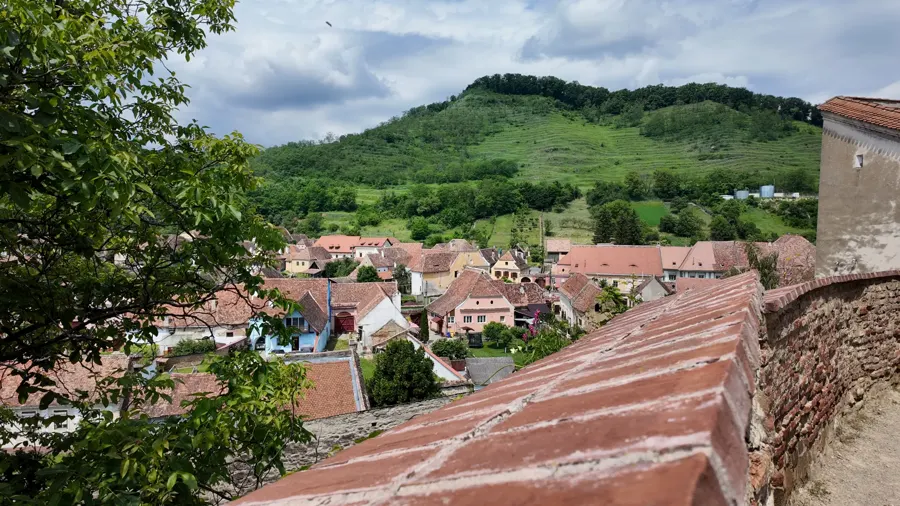


Any of them can be added to a private or tailor-made journey.
Streets, towers and stories you won't find in any guidebook.
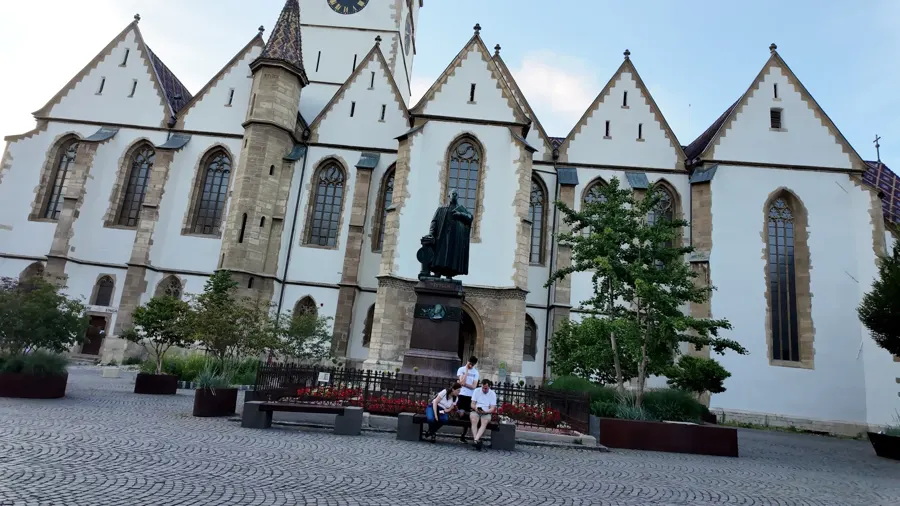
Wander the old town of Sibiu, from its squares to the Evangelical Cathedral, with time for a coffee and the stories behind the buildings.
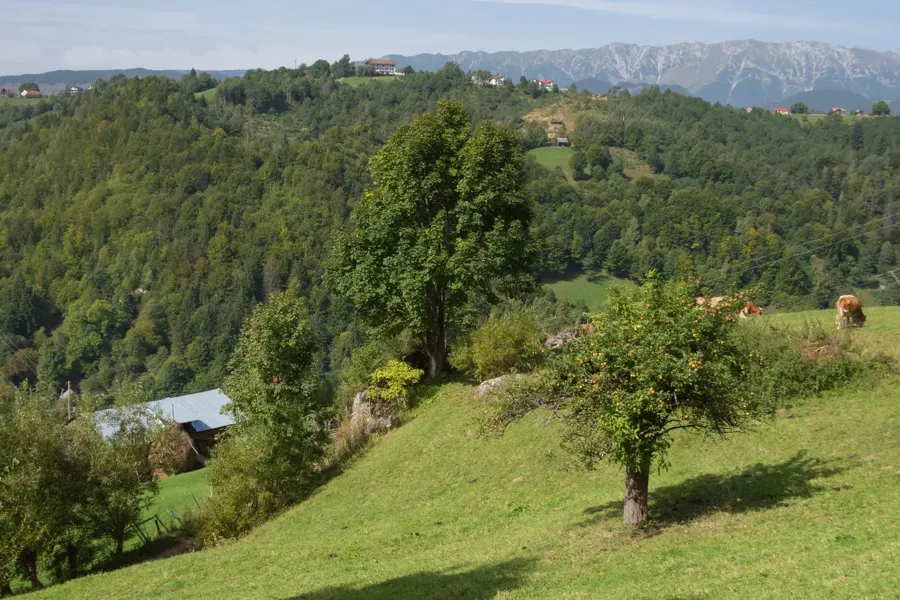
Gentle walks over hills and meadows near Bran and Moeciu, with mountain views and no need to hurry.
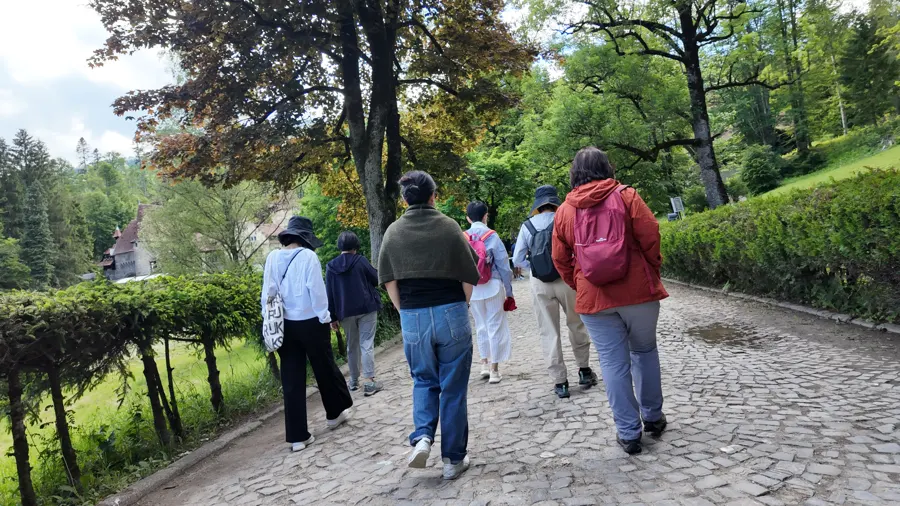
Visit Peleș Castle in Sinaia and walk its garden paths at a pace that leaves room for the details.
Transylvania is easy to love in a hurry, but it gives far more to travellers with time to spare. Build your trip and we'll shape a small-group or private journey around the towns, castles and quiet corners that matter most to you.

You left Romania but never forgot it. Or you want to show your UK-born children where the family comes from. Guided in Romanian, bu…
Your dates — on request
Tell us what you're dreaming of, we'll draw the route. A private guide and driver, on your own dates, at your own pace.
Your dates — on request
Six days through Bran, Peleș, Sighișoara and Brașov, with proper time in each place rather than a coach-window tour.
Next departure 17 Oct 2026 · places available
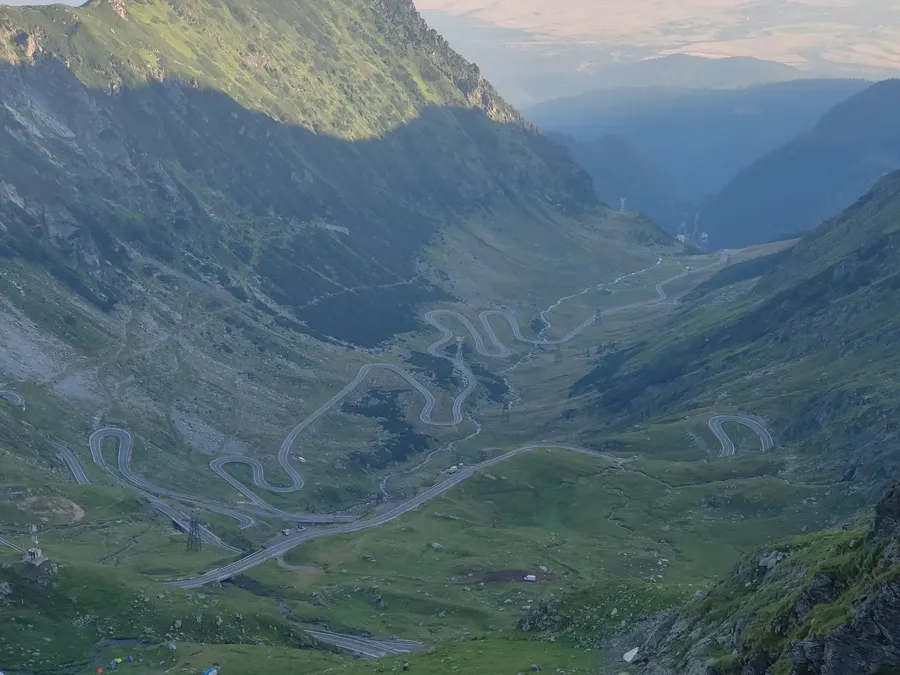
The complete Romania in one epic journey — Bucharest, Transylvania, the Carpathians and a Dealu Mare wine finale. Castles, mountain…
Next departure 31 Oct 2026 · places available
Transylvanian food carries Saxon, Hungarian and Romanian influences at once. Expect hearty soups, slow-cooked pork and cabbage dishes, smoked cheeses from mountain villages, and bread baked in wood-fired ovens. Local wineries around Sibiu and Alba produce increasingly well-regarded whites, while homemade plum brandy, țuică, is offered as a welcome almost everywhere.
Transylvania grew from centuries of Saxon, Hungarian and Romanian communities living close together, and that shared history shows in the architecture at every turn. Saxon settlers built the fortified churches and guild towers; Hungarian nobility left castles and manor houses; Romanian villages kept their own Orthodox faith and customs alongside them. Craft guilds once shaped daily life in towns such as Sighișoara and Brașov, and their legacy survives in guild towers, old workshops and market squares. Faith sits at the centre of community life across several traditions, with Orthodox, Lutheran, Catholic and Reformed churches often standing within a short walk of one another. Storytelling and folklore remain part of everyday culture, passed on through festivals, craft fairs and family gatherings rather than a single legend, and many of these traditions continue quietly in the smaller towns.
The hills around Transylvania's towns roll into forest and pasture, with the Carpathian foothills never far from view. Beech and oak woodland covers much of the higher ground, giving way to hay meadows thick with wildflowers in early summer. Storks nest on chimneys and telegraph poles in the villages, and birds of prey can often be seen over open countryside. Walking between villages or along farm tracks near Măgura and Rupea is easy going, particularly in late spring when the meadows are at their fullest. Autumn brings mist over the hills and good colour in the woodland; winter can bring snow that settles on the higher ground for weeks.
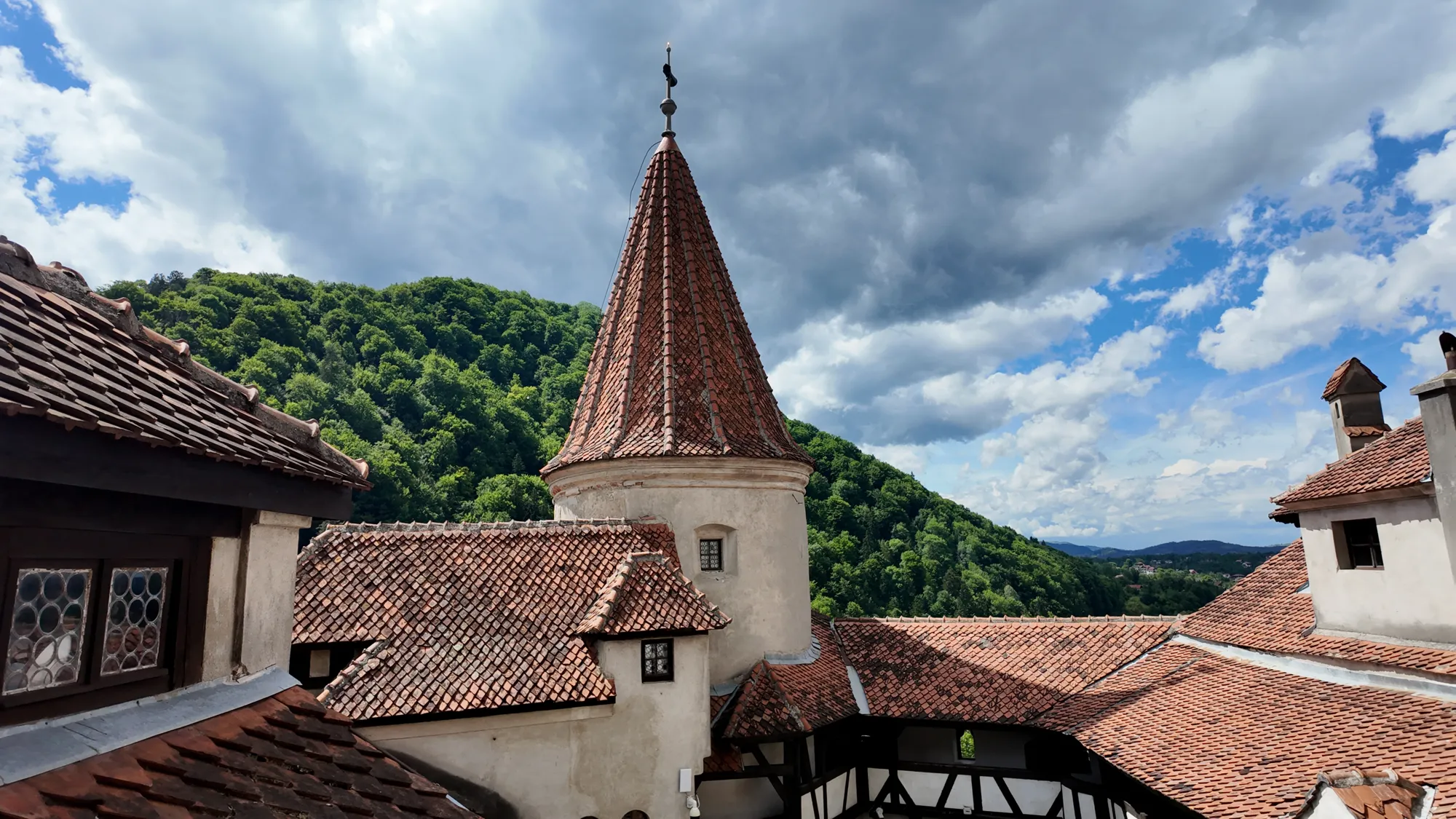
Transylvania works well for much of the year. Late spring and early autumn bring mild weather, green hills and fewer crowds around the main sights. Summer is warmer and busier, especially in Brașov and Sighișoara. Winter brings a different charm, with Christmas markets in Sibiu and Brașov and the possibility of snow on the surrounding hills.
Three to four nights allow a proper feel for the region's main towns and castles, with time for a slower day in the countryside. Transylvania also combines naturally with the Saxon Villages, the Carpathians, or a short extension to Bucovina or the Danube Delta for a longer, grand tour.
Regions that go well with Transylvania: Maramureș, Bucovina, The Carpathians.
Tell us how many days you have and what you enjoy. We'll shape the route around you — as a private journey or a tailor-made trip.
Build your trip in a few simple steps, or talk to us. We reply personally, with no obligation.
Most visits begin in Brașov, Sibiu or Cluj-Napoca, all with airports within reach of the region's towns. Road transfers link the main sights, and journeys between castles and villages are usually short but wind through hilly countryside.
Town centres are often best left on foot, with cars parked outside the old walls. Country roads can be narrow, and rural stretches slower than a map suggests, especially near hill villages and fortified churches.
Cobbled squares and castle courtyards involve uneven surfaces and occasional steps, particularly at Bran and Corvin. Comfortable shoes help; tell us about any mobility needs and we'll plan around them.
Summers are warm, winters can turn cold with snow on higher ground, and spring or autumn bring milder, changeable conditions. Layers work well, as temperatures shift between sunny squares and shaded courtyards.
Days combine walking with short drives, and time is built in for meals and rest along the way. The pace can flex throughout, whether you prefer a full day of sightseeing or a gentler split.
Loading the weather…
Source: Open-Meteo
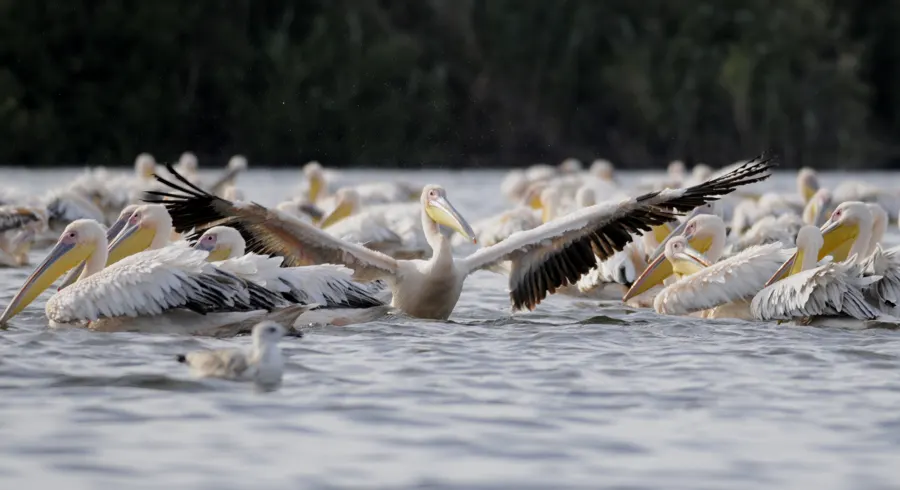
Autumn brings huge flocks of migrating birds to the Delta — a wonderful time to experience one of Romania's most remarkable nat…
Experience Halloween at the home of the Dracula legend, with a festive dinner and optional evening celebrations.

The Grand Square comes alive with lights, music, carols and the warm scents of the Christmas season.
Tell us when you'd like to go, who's travelling and what you enjoy. We'll come back with a personal proposal, with no obligation.
Regions that travel well with Transylvania.

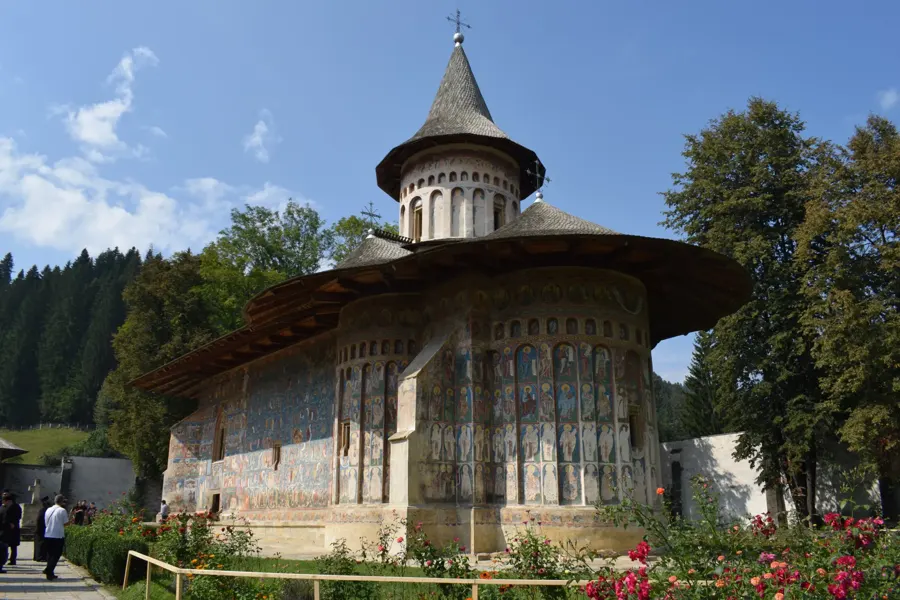
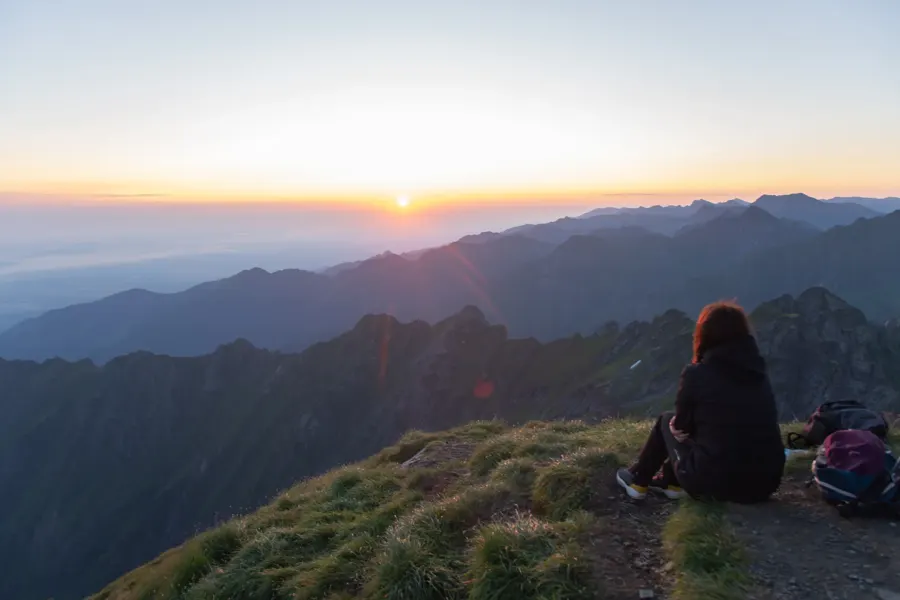

Midsummer flower crowns, medieval celebrations and Christmas markets filled with lights, music and the scent of cinnamon.
From Sibiu’s lights to village carols, a look at Romania’s Christmas markets and the traditions that surround them.
Spring blossom, golden autumns and snowy villages — why Romania is worth discovering in every season.
Get travel inspiration, new departure dates and special offers. No spam, unsubscribe any time.