

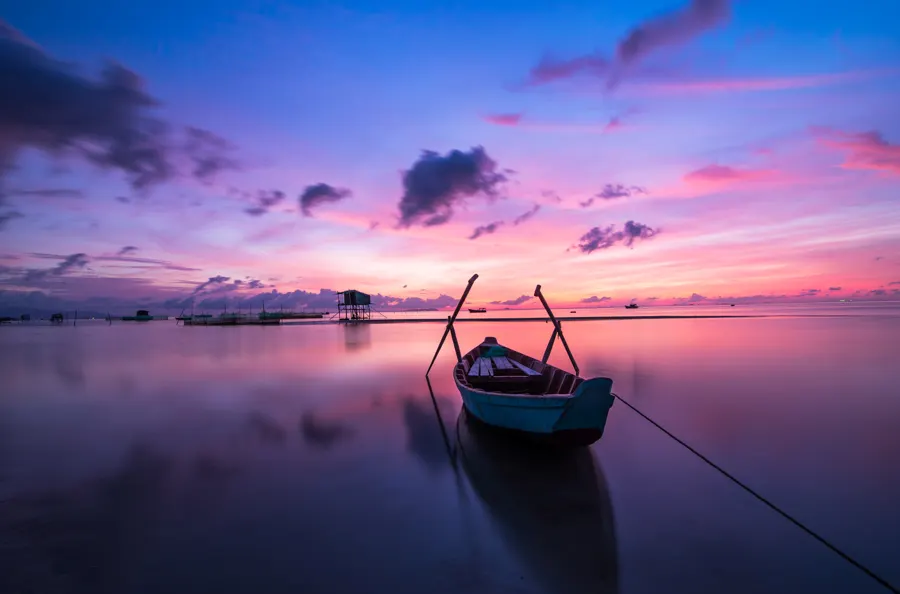
Boat trip through the Delta channels
The hour when the birds wake up and the water turns to glass.
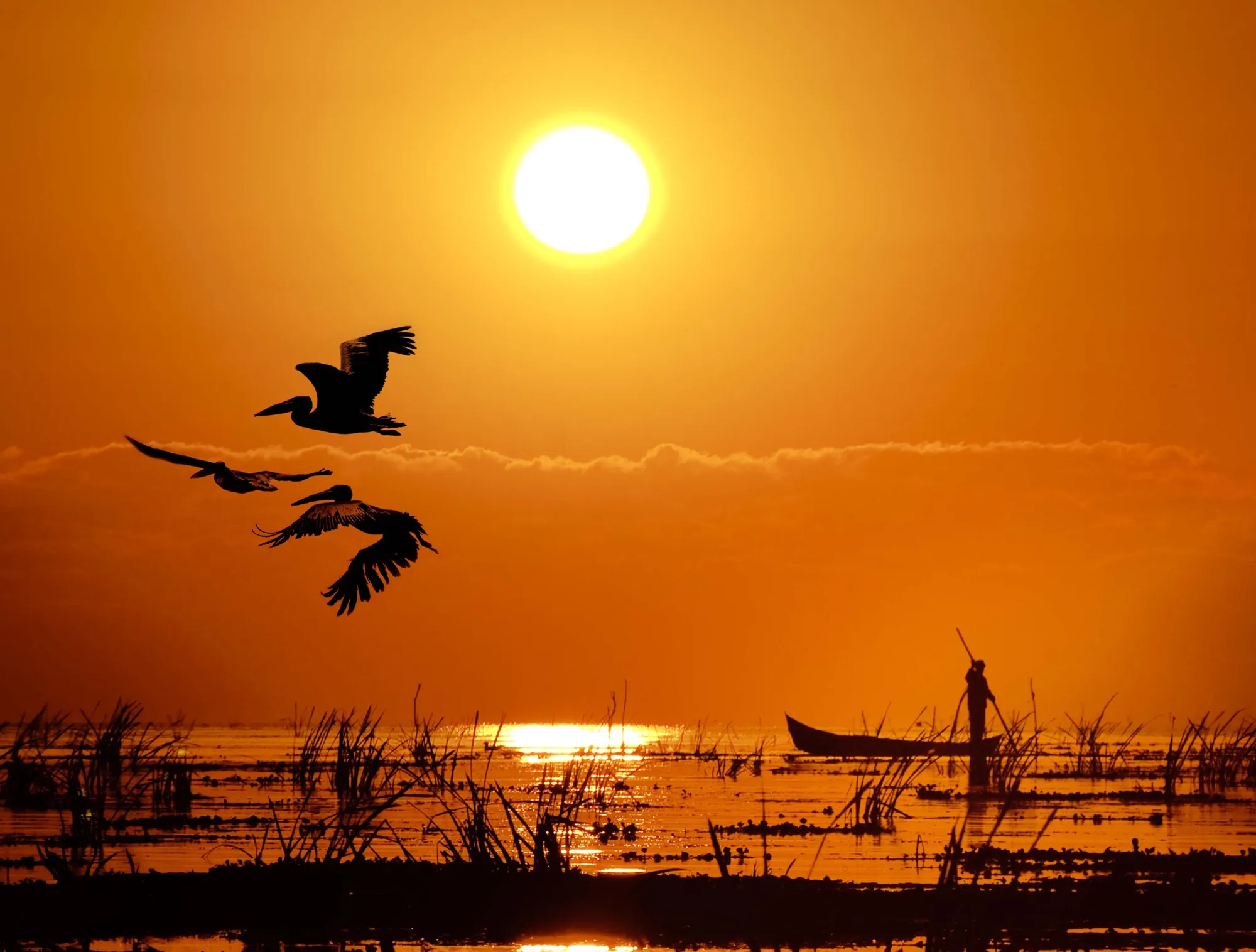
Channels, reed beds and birdsong at the edge of Europe
The Danube Delta is where the river finally lets go, spreading into a maze of channels, lakes and reed beds before reaching the Black Sea. Travel here happens by boat, at boat speed, and the reward is a landscape that feels genuinely wild.
It is one of Europe's great wetlands, home to an extraordinary range of birdlife and to fishing communities whose way of life is still shaped by the water around them.
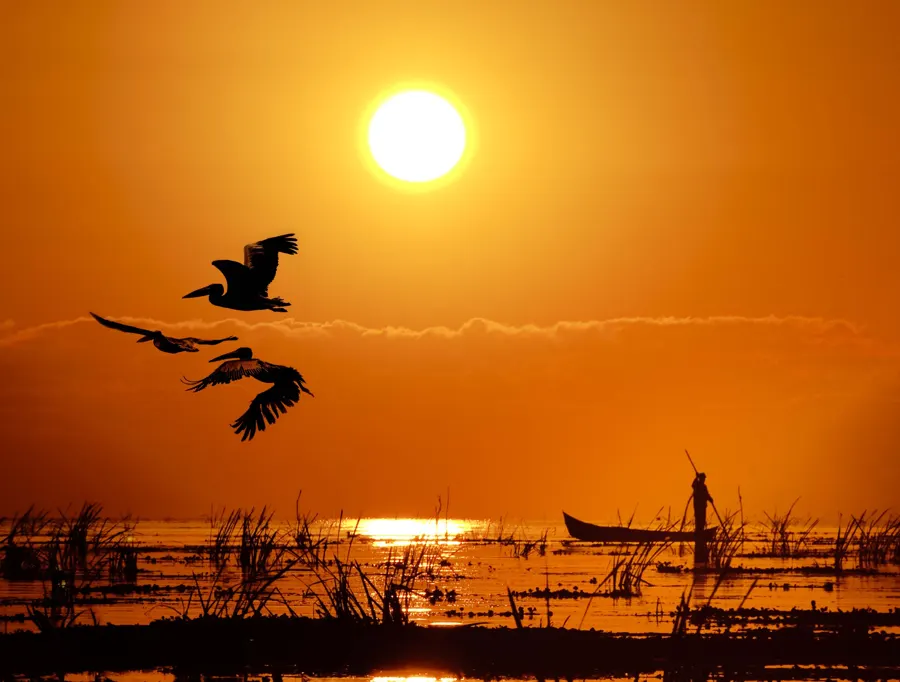
The Delta strips travel down to something simple: a boat, the water, and whatever comes into view. Reed beds rise higher than the boat itself in places, channels branch off in every direction, and the soundtrack is birdsong rather than traffic. It is one of the few places in Europe where a full day can pass without seeing a road.
Villages here are small and shaped entirely by the water — houses on stilts or raised ground, boats tied outside almost every door, and a pace of life that has adapted to the river rather than fought it.


Any of them can be added to a private or tailor-made journey.
The hour when the birds wake up and the water turns to glass.
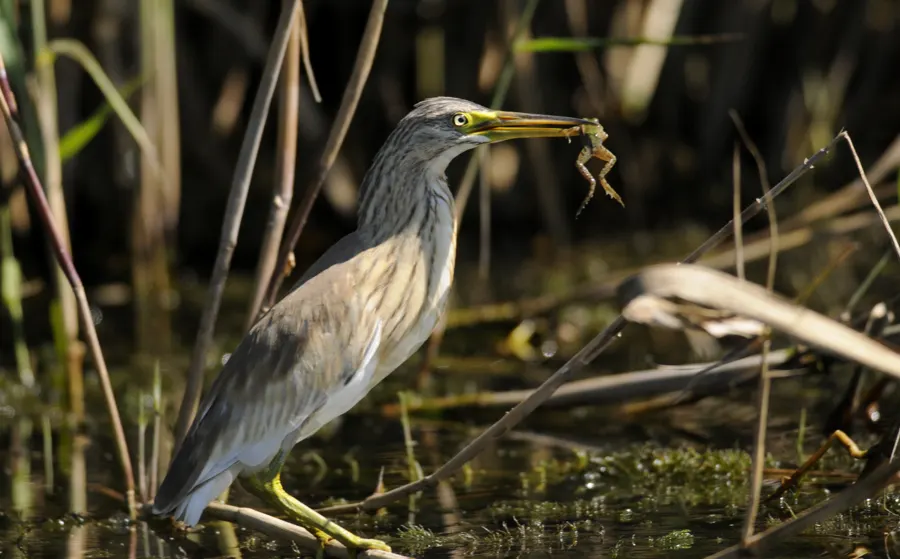
The Danube Delta is one of the richest birdlife areas in Europe. Go out early by boat and watch the wetlands wake up.
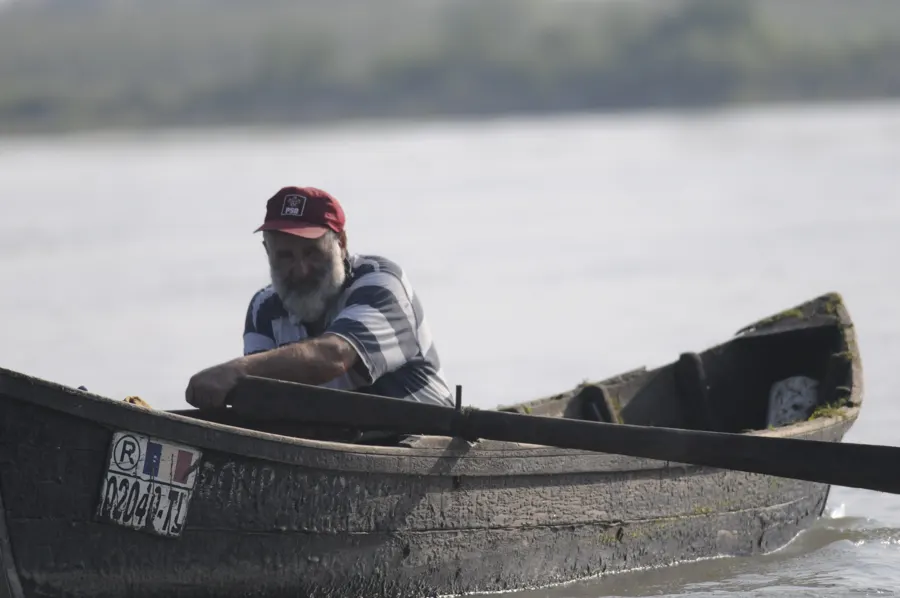
Taste freshly caught fish prepared the traditional way, in a village on the water.
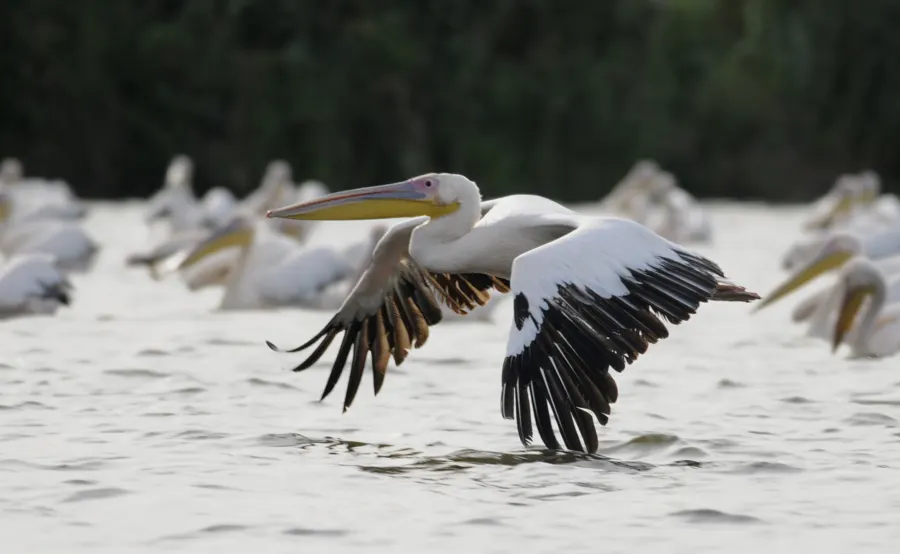
Great flocks of pelicans are among the best-known sights of the Danube Delta. Go out by boat and watch them feed and take off, especially in the quieter hours of the day.
The Delta is best explored slowly, with time to simply watch the water go by. Build your trip and we'll arrange a small-group or private boat journey suited to your pace and interests.
Three nights in the Delta's wild heart: boat trips at dawn, freshly caught fish for lunch, and a silence you can't find anywhere el…
Next departure 17 Oct 2026 · places available
Fish is, unsurprisingly, at the heart of Delta cooking: carp, pike and other freshwater fish appear grilled, smoked or in the traditional fish stew, saramură. Meals are often simple and fresh, served close to where the fish was caught, alongside good bread and a glass of local wine.
The Danube Delta has long been home to fishing communities shaped as much by the water as by the land, including Lipovan Russian families who settled here generations ago and still keep their own Orthodox Old Believer traditions, language and customs distinct from the surrounding region. Villages such as Sfântu Gheorghe and Crișan grew around fishing rather than farming, with boats, nets and reed-thatched roofs still part of everyday life. Reed harvesting once supported a significant local industry, and reed remains a practical building material in many Delta homes. Food culture follows the water closely, built around freshwater fish prepared simply and shared generously. Life here has always depended on adapting to the river's channels and seasonal floods rather than working against them, and that adaptability still defines the communities living along its banks today.
The Delta is one of Europe's largest wetlands, a maze of channels, lakes and reed beds where the Danube finally reaches the Black Sea. Reed stands rise well above eye level in places, sheltering an exceptional range of birdlife, from pelicans and herons to countless smaller waders and songbirds, particularly abundant during spring and early summer migration. Letea Forest adds an unusual mix of dunes and ancient oak woodland to the wetland scenery. Days here are measured by boat rather than by road, with sunrise and sunset bringing the most activity on the water. Summer heat and insects near the channels are worth planning for; winter largely closes the Delta to leisurely boat travel.
Spring and early summer bring the most birdlife, as migratory species arrive and nest, making this the best window for birdwatching. Early autumn offers milder weather and fewer visitors. Summer can be hot and humid, with more insects near the water, while winter largely closes the Delta to leisurely boat travel.
Two nights allow time for both a sunrise and a sunset boat trip, plus a full day exploring the channels. The Danube Delta sits apart from Romania's other regions geographically, so it usually forms its own leg of a longer trip rather than a quick add-on.
Regions that go well with Danube Delta: Transylvania, Maramureș, Bucovina.
Tell us how many days you have and what you enjoy. We'll shape the route around you — as a private journey or a tailor-made trip.
Build your trip in a few simple steps, or talk to us. We reply personally, with no obligation.
Tulcea is the usual starting point, reached by road from Bucharest or Constanța, with onward travel into the Delta by boat. A small local airport has limited connections, so most journeys continue overland.
Driving plays a small part once in the Delta itself, since most exploration happens by boat along the channels. Road access is limited to Tulcea and a handful of edge villages.
Boat trips involve boarding from jetties or riverbanks, which can be uneven, and some village visits include unpaved paths. Tell us about any mobility needs and we'll plan boats and stops around them.
Spring and early summer bring the most birdlife and comfortable conditions; summer can be hot and humid with more insects near the water. Winter largely closes the Delta to boat-based travel.
Days are built around boat trips at a gentle pace, often timed around sunrise or sunset light. There is plenty of time simply to sit, watch and let the channels pass by.
Loading the weather…
Source: Open-Meteo
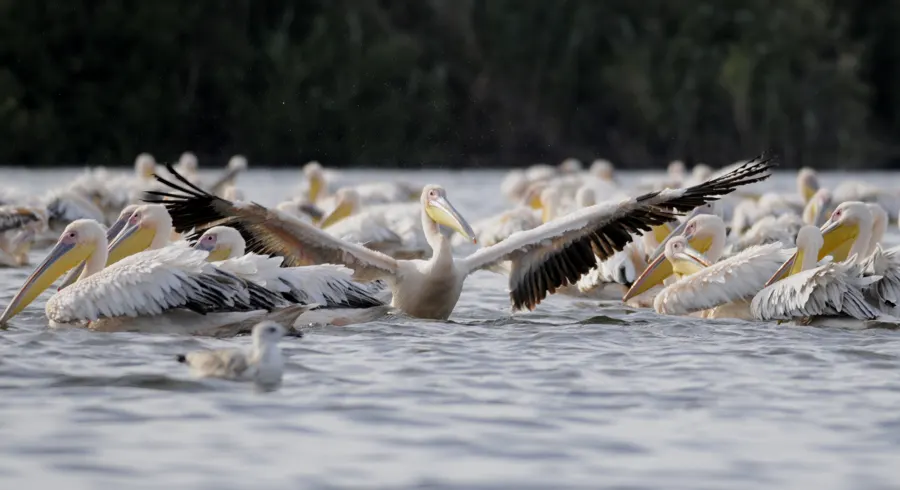
Autumn brings huge flocks of migrating birds to the Delta — a wonderful time to experience one of Romania's most remarkable nat…
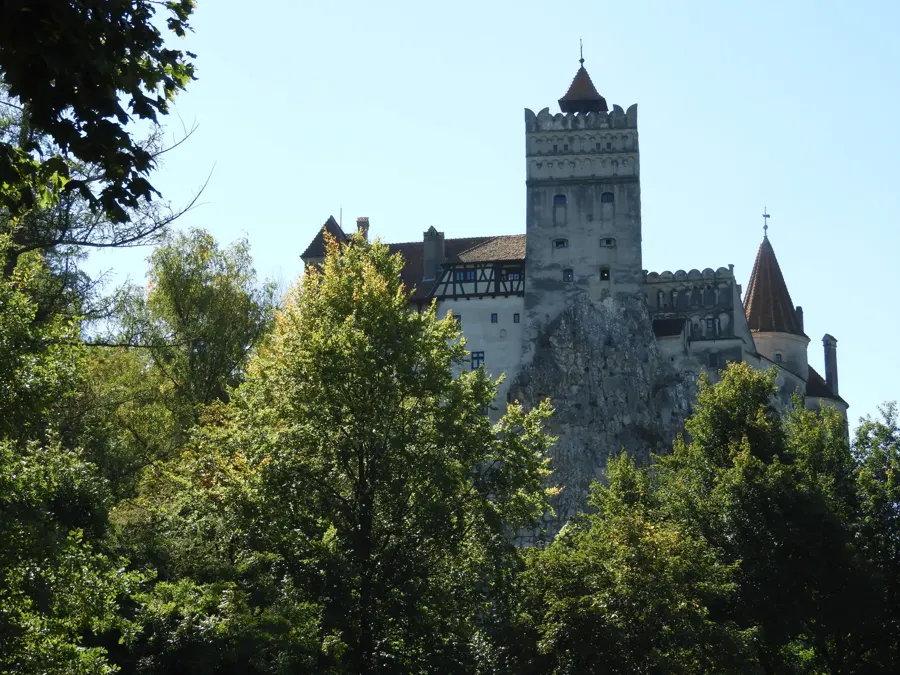
Experience Halloween at the home of the Dracula legend, with a festive dinner and optional evening celebrations.

The Grand Square comes alive with lights, music, carols and the warm scents of the Christmas season.
Tell us when you'd like to go, who's travelling and what you enjoy. We'll come back with a personal proposal, with no obligation.
Regions that travel well with Danube Delta.


Midsummer flower crowns, medieval celebrations and Christmas markets filled with lights, music and the scent of cinnamon.
From Sibiu’s lights to village carols, a look at Romania’s Christmas markets and the traditions that surround them.

Spring blossom, golden autumns and snowy villages — why Romania is worth discovering in every season.
Get travel inspiration, new departure dates and special offers. No spam, unsubscribe any time.