


Egg-painting workshop
Learn the traditional Bucovina craft from a local artisan.
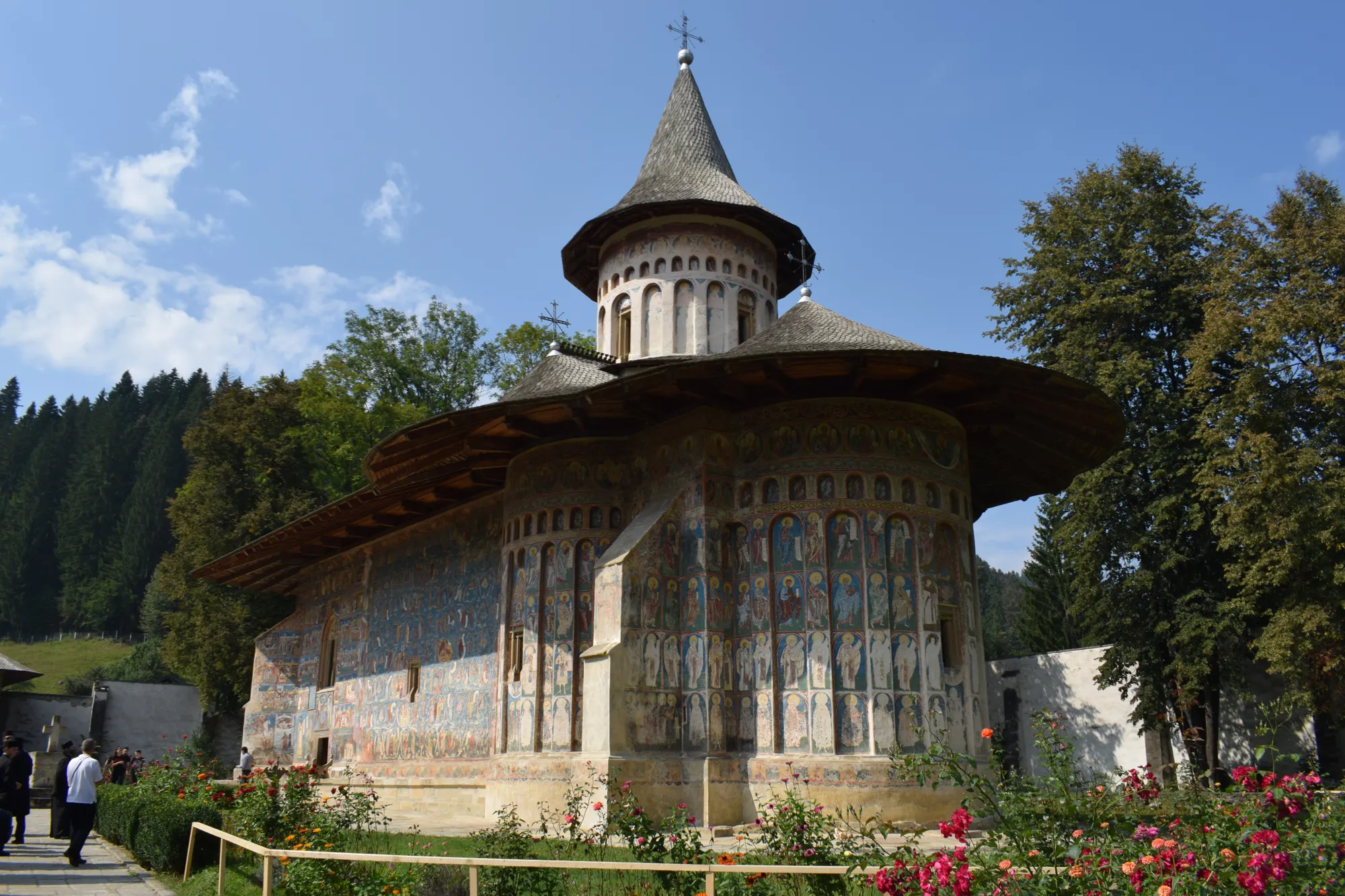
Painted monasteries set among gentle, unhurried hills
Bucovina is known for its painted monasteries, and rightly so — biblical scenes cover the outside walls of churches built five centuries ago, their colours still holding after generations of weather. It is a rare, striking sight, and one best seen slowly, monastery by monastery.
Beyond the frescoes, Bucovina is gentle countryside: rolling hills, forests and villages where crafts like egg-painting and weaving are still practised. It suits travellers who want beauty paired with quiet.
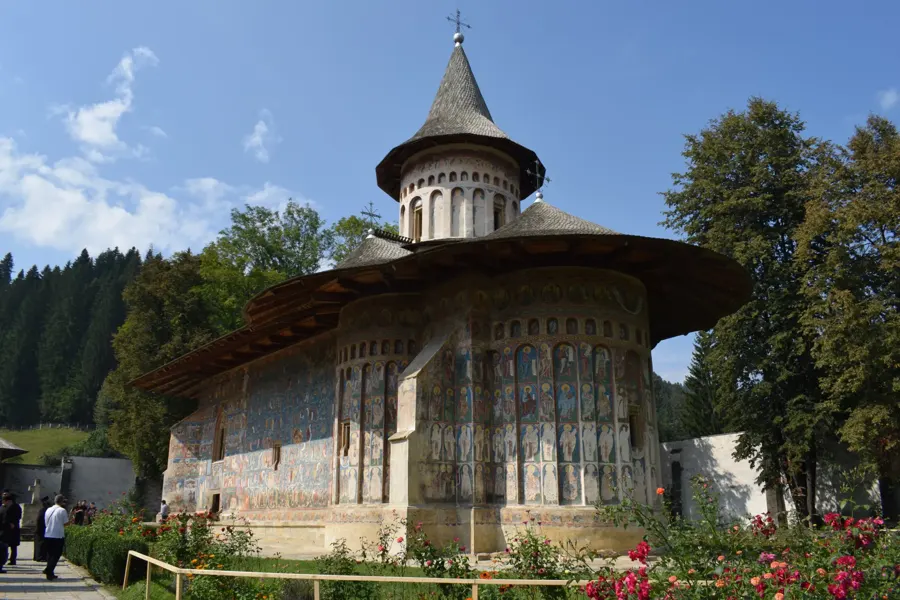
Bucovina moves at the pace of its hills — rounded, green and dotted with small farms. The monasteries are the obvious draw, and they earn their reputation: walking around a church covered floor to eave in fresco is unlike anything else in the region. But much of Bucovina's charm lies just outside the monastery walls, in villages where crafts, food and faith are still closely bound together.
It is a region that suits an unhurried itinerary, with time to sit in a monastery courtyard rather than move straight to the next one.


Any of them can be added to a private or tailor-made journey.
Learn the traditional Bucovina craft from a local artisan.
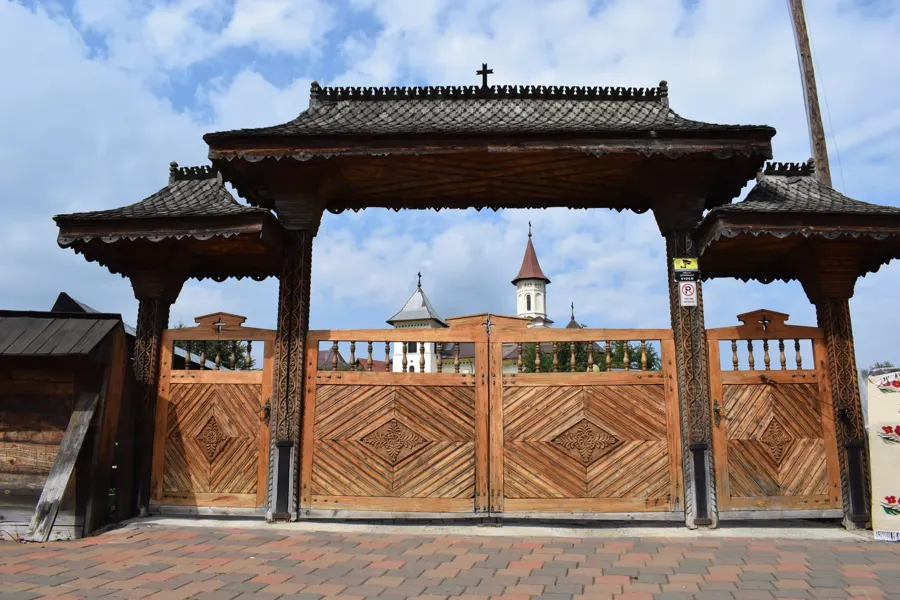
Visit painted monasteries such as Voroneț, Sucevița and Moldovița, and take time for the details: frescoes, carved gates and quiet courtyards.
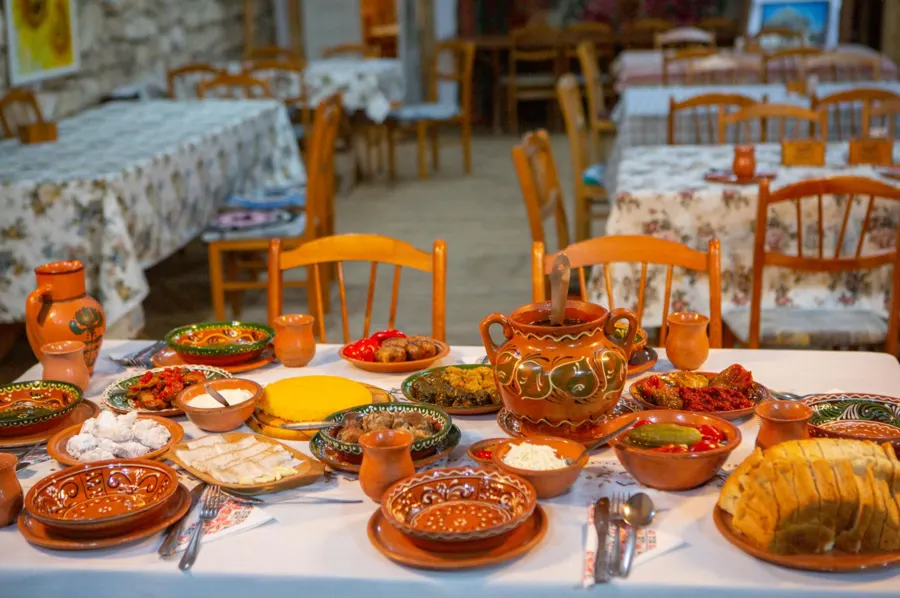
Sit down to a home-cooked lunch in a village and hear how the recipes and traditions are passed on.
Easy walks through meadows and forest between villages and monasteries, with the landscape to yourself.
Bucovina rewards a slow, monastery-by-monastery pace far more than a rushed checklist. Build your trip and we'll put together a small-group or private journey built around the frescoes, forests and villages you'd most like to see.
Five days among painted monasteries, egg-painting villages and gentle hills, with time to actually stay where you fall in love with…
Next departure 24 Oct 2026 · places available
Bucovina's kitchen leans on the forest and the farm: mushroom dishes in season, smoked meats, hearty maize porridge (mămăligă) served with cheese and sour cream, and preserves made from the region's abundant orchards. Meals here are often unhurried, multi-course affairs shared around a family table.
Bucovina's painted monasteries date back roughly five centuries, built and decorated under Moldavian princes who used the exterior frescoes to teach scripture to villagers who could not read. The biblical scenes, painted directly onto stone walls, have held their colour through centuries of weather, and the deep 'Voroneț blue' remains one of the region's most recognisable details. These are still active Orthodox monasteries rather than museums, home to resident nuns or monks whose daily prayer continues much as it always has. Craft traditions sit alongside the monastic life, particularly the painting of decorated eggs, ouă încondeiate, using wax-resist techniques handed down through families. Black pottery from Marginea and woven textiles from nearby villages reflect a wider rural craft culture that has continued quietly around the monasteries for generations.
Bucovina's countryside is gentle rather than dramatic: rounded hills, farmland and pockets of old-growth forest around monastery walls. Slătioara forest holds some of Romania's oldest trees, and the wider hills support deer, and a good variety of woodland birds. Wildflower meadows and orchards surround many villages, particularly striking in late spring. Walking between monasteries or along forest edges is easy and unhurried, with quiet lanes rather than main roads carrying most local traffic. Morning light suits the frescoes especially well. Autumn brings orchard harvests and softer colour across the hills; winter is quiet and can be snowy, suiting a stiller visit.

Late spring to early autumn offers the clearest views of the painted monasteries and the most comfortable travel between them. Fresco colours photograph particularly well in soft morning or late afternoon light. Winters are quiet and can be snowy, which suits travellers drawn to a stiller, more contemplative visit.
Two to three nights allow time to visit several monasteries without rushing, plus a slower day in the surrounding villages. Bucovina combines well with Maramureș to the west, connected by a scenic mountain route, for a longer journey through northern Romania.
Regions that go well with Bucovina: Transylvania, Maramureș, The Carpathians.
Tell us how many days you have and what you enjoy. We'll shape the route around you — as a private journey or a tailor-made trip.
Build your trip in a few simple steps, or talk to us. We reply personally, with no obligation.
Suceava's small airport is a practical gateway, particularly when combining Bucovina with Maramureș or a longer northern route. A direct drive from Bucharest is also possible as part of a wider itinerary.
Roads between monasteries are rural and generally short, though narrow in places. Distances look small on a map but often take longer than expected once village traffic and road surfaces are accounted for.
Monastery courtyards are mostly flat, though some entrances involve steps or uneven stone. Modest dress with covered shoulders and knees is required; tell us about any mobility needs and we'll plan around them.
Late spring to early autumn offers the clearest conditions for viewing frescoes and walking between sites. Winters are cold and can bring snow, which suits a quieter, more contemplative visit.
A monastery-by-monastery pace works best here, with time to sit in a courtyard rather than move straight on. Days can be built around two or three stops with plenty of breathing room.
Loading the weather…
Source: Open-Meteo
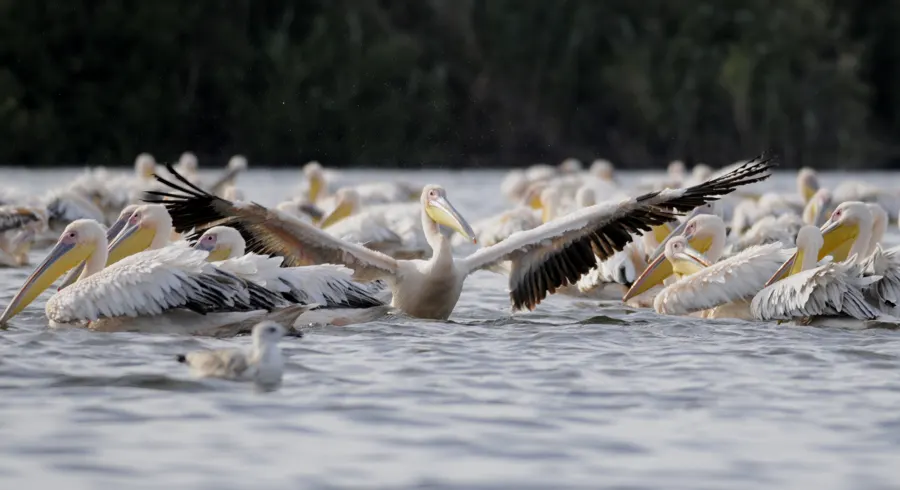
Autumn brings huge flocks of migrating birds to the Delta — a wonderful time to experience one of Romania's most remarkable nat…
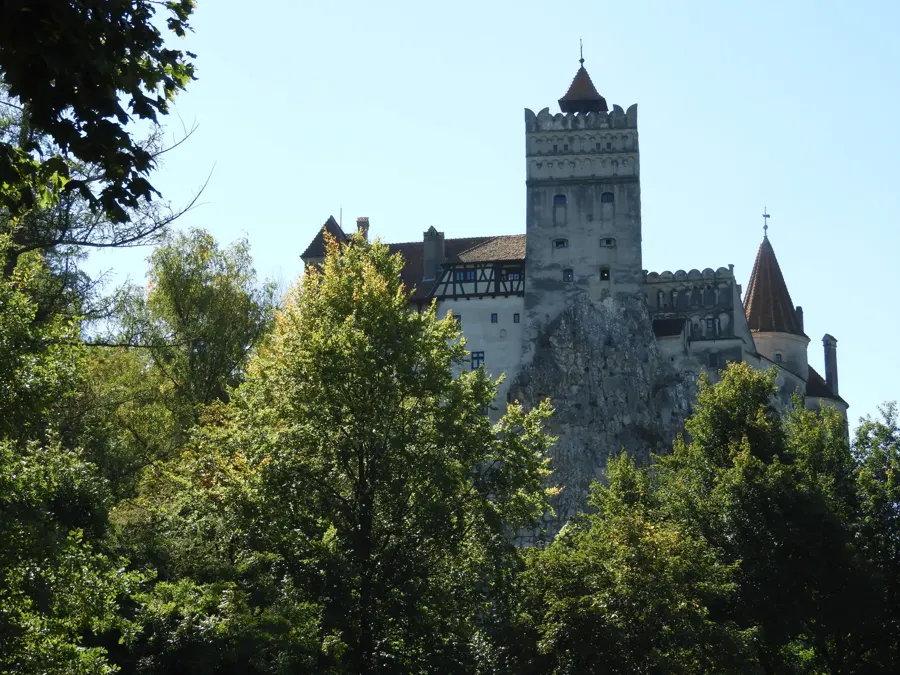
Experience Halloween at the home of the Dracula legend, with a festive dinner and optional evening celebrations.

The Grand Square comes alive with lights, music, carols and the warm scents of the Christmas season.
Tell us when you'd like to go, who's travelling and what you enjoy. We'll come back with a personal proposal, with no obligation.
Regions that travel well with Bucovina.

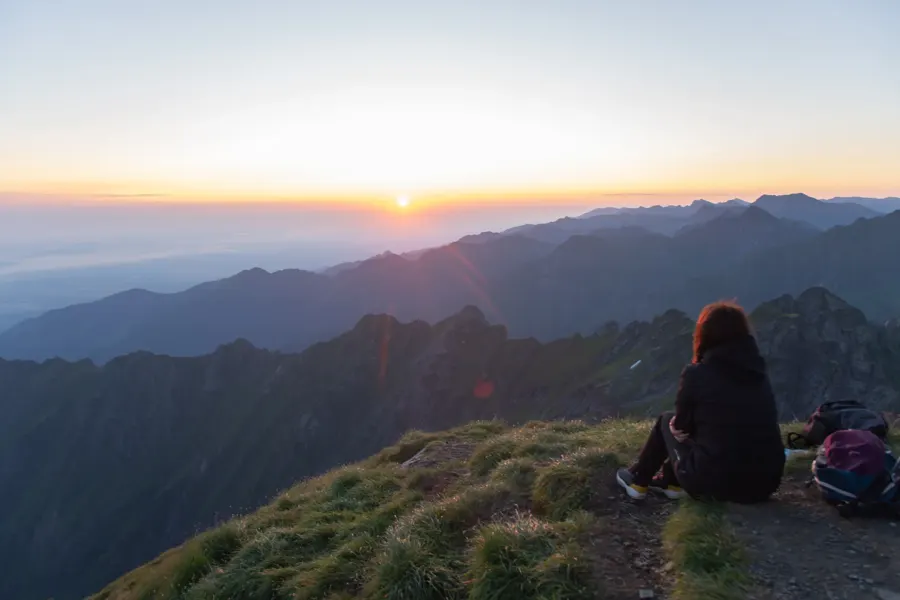
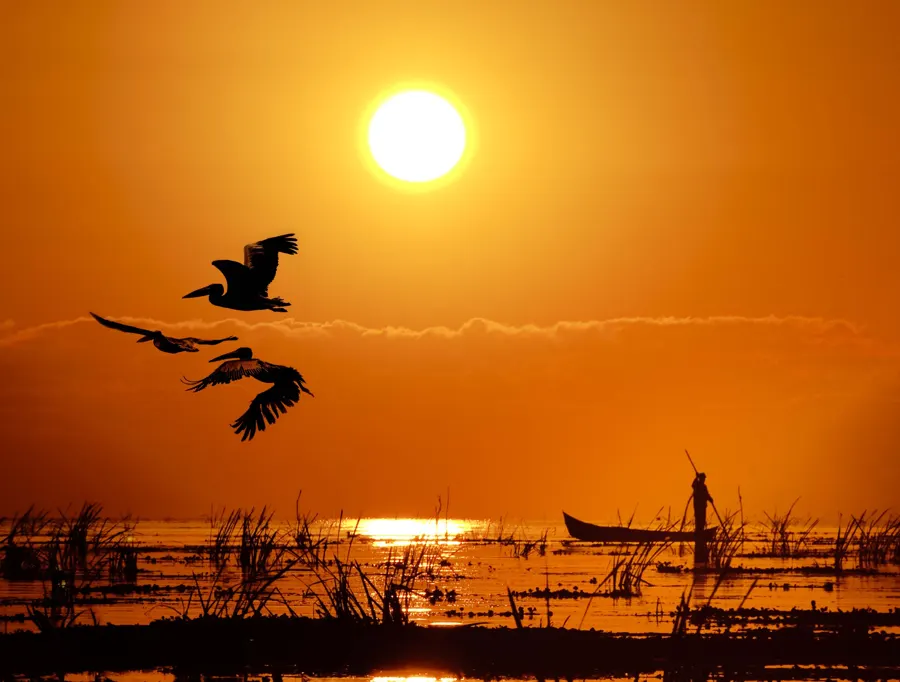

Midsummer flower crowns, medieval celebrations and Christmas markets filled with lights, music and the scent of cinnamon.
From Sibiu’s lights to village carols, a look at Romania’s Christmas markets and the traditions that surround them.

Spring blossom, golden autumns and snowy villages — why Romania is worth discovering in every season.
Get travel inspiration, new departure dates and special offers. No spam, unsubscribe any time.