

A gentle introduction to Romania's wine regions and native grape varieties, for travellers curious to taste something new.
Mention Romanian wine to most first-time visitors and you will usually be met with mild surprise — many simply did not know Romania had a serious wine tradition at all. It does, and a rather old one at that, with vineyards stretching back centuries and a growing number of small, family-run wineries keen to introduce curious travellers to grapes they are unlikely to have tried anywhere else.
Where the vineyards are
Romania's wine regions spread across several distinct areas, each with its own character. Dealu Mare, in the hills south of the Carpathians, is one of the country's best-known red wine regions, benefiting from a favourable mix of sun and altitude. Cotnari, in the northeast near Moldova, has a long historical association with sweet white wines. Murfatlar, near the Black Sea coast, enjoys a warmer, drier climate suited to a broad range of styles, while Târnave, in the heart of Transylvania, tends towards cooler-climate whites with a fresher character. Together, these regions give Romania a genuinely varied wine map, well beyond what most visitors expect.
Native grapes worth knowing
Part of what makes Romanian wine interesting to curious travellers is the presence of native grape varieties rarely found elsewhere. Fetească Neagră, a dark-skinned grape, produces robust reds with real character. Fetească Albă and Fetească Regală are related white varieties, generally producing fresher, more delicate wines. Tămâioasă Românească, aromatic and often slightly sweet, is prized for its distinctive floral, perfumed character. And Grasă de Cotnari, closely tied to the Cotnari region, is associated with rich, sweeter wine styles that have been made in the area for generations. None of these need to mean anything to you before you visit — a good tasting will introduce them far better than any description can.
What a tasting is actually like
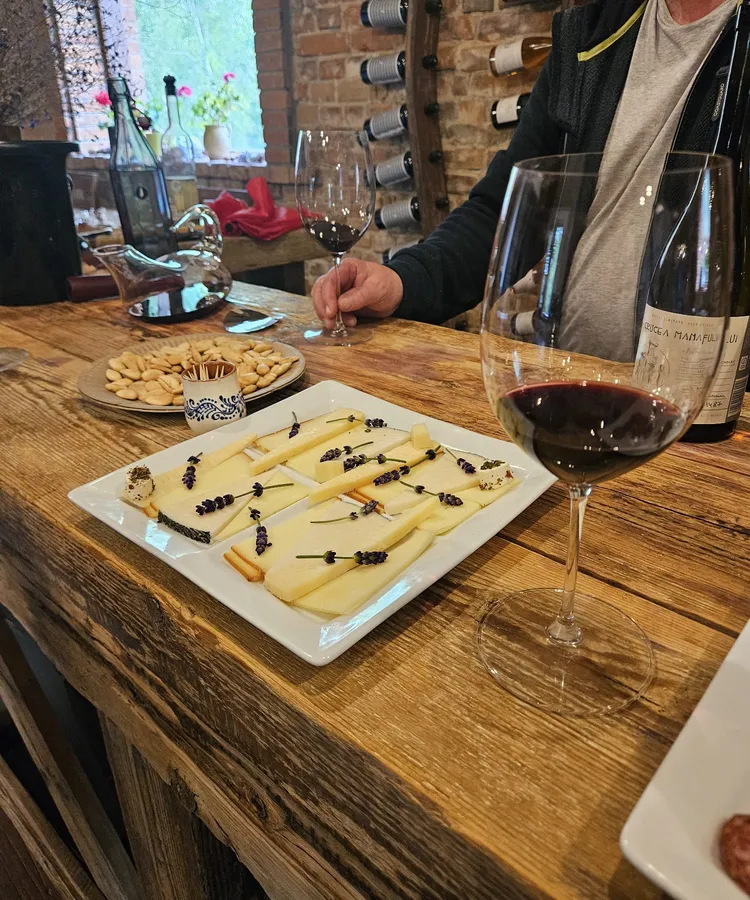
A visit to a small Romanian winery tends to feel personal rather than polished for tourism. You are often greeted by the winemaker themselves, or a family member closely involved in the business, and talked through a handful of wines at a relaxed pace, usually alongside a simple plate of local cheese, bread or cured meats. It is a world away from a large commercial tasting room, and that informality is very much part of the appeal — questions are welcomed, and there is rarely any pressure to buy.
Pairing wine with the wider trip
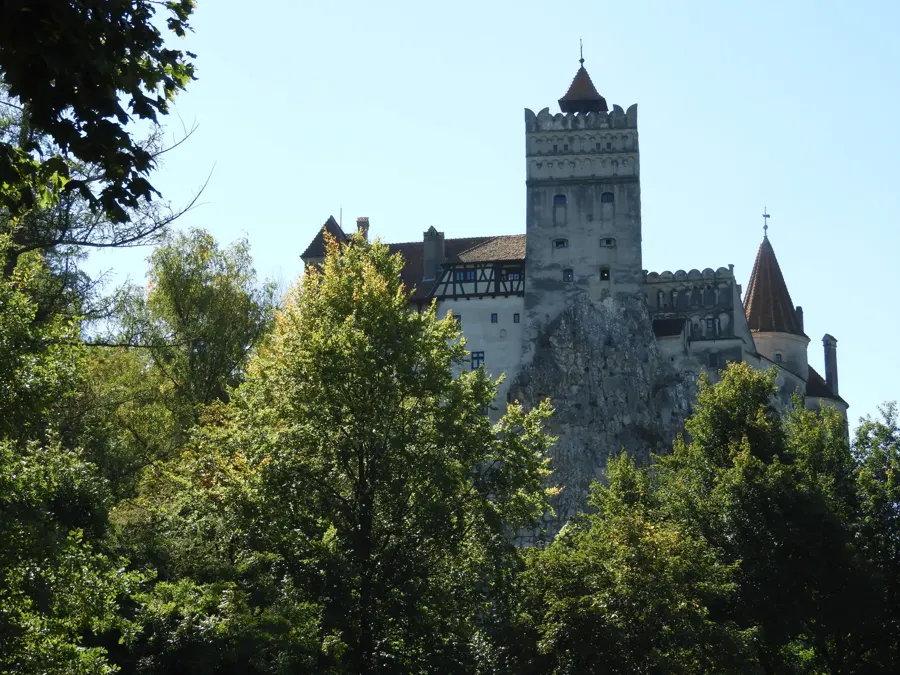
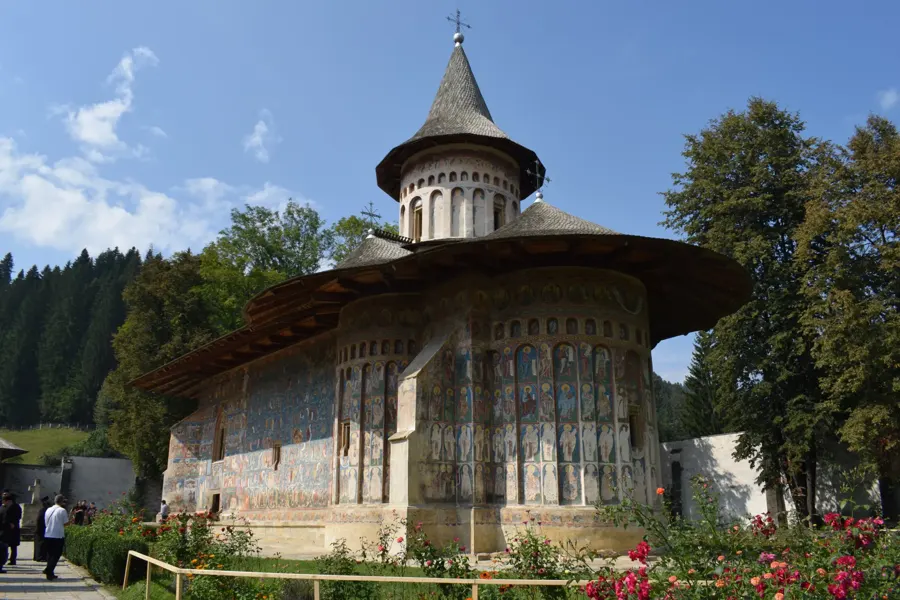
Wine tastings tend to work particularly well folded into a wider itinerary rather than treated as a destination in themselves — an afternoon at a Dealu Mare winery on the way between Bucharest and Transylvania, for instance, or a stop near Târnave on a Transylvanian loop. It adds a different texture to a day that might otherwise be entirely castles and old towns, and couples in particular often mention it as one of the most memorable stops on the whole trip.
Approaching it with curiosity
We would rather encourage travellers to approach Romanian wine with open curiosity than with fixed expectations. It is a genuinely developing wine scene, shaped by both old traditions and newer, ambitious winemakers, and part of the pleasure lies in discovering it for yourself, glass by glass, rather than reading about it beforehand.
If a wine tasting or two sounds like a welcome addition to your Romania trip, build your trip and we will work one into the itinerary, or take a look at our tours for a sense of how a wine stop typically fits alongside the rest of the journey.