
A straightforward look at what Romania actually offers travellers, without the exaggeration — and who tends to fall in love with it.
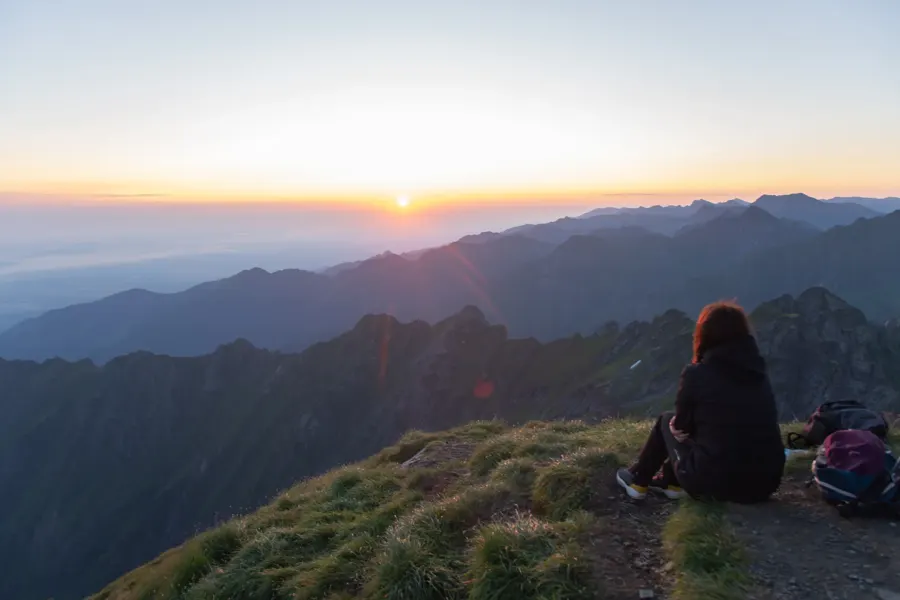
A friend once asked one of our guides, halfway up a quiet mountain road with the Carpathians rolling away in every direction, whether Romania was really worth the trip. He laughed, pointed at the view, and said nothing else was needed. That is the honest answer we would give too — but let us unpack it properly, because a good trip deserves more than a shrug and a view.
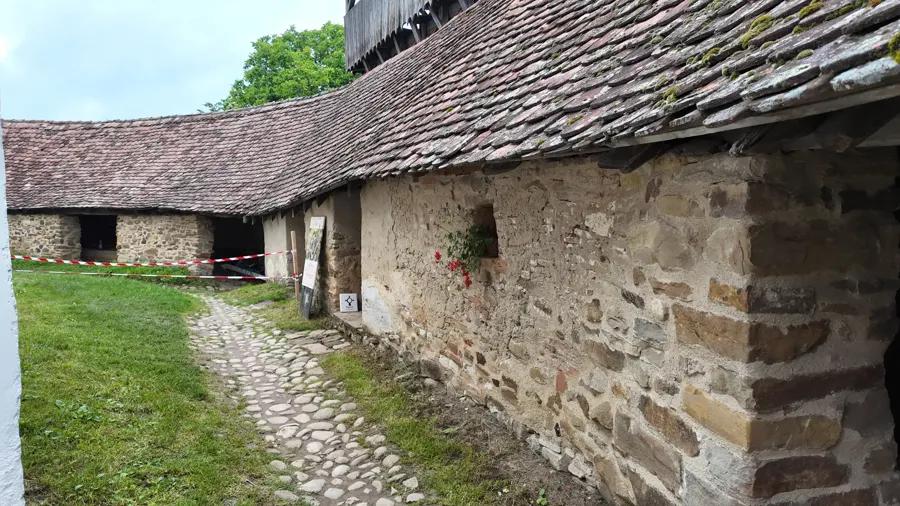
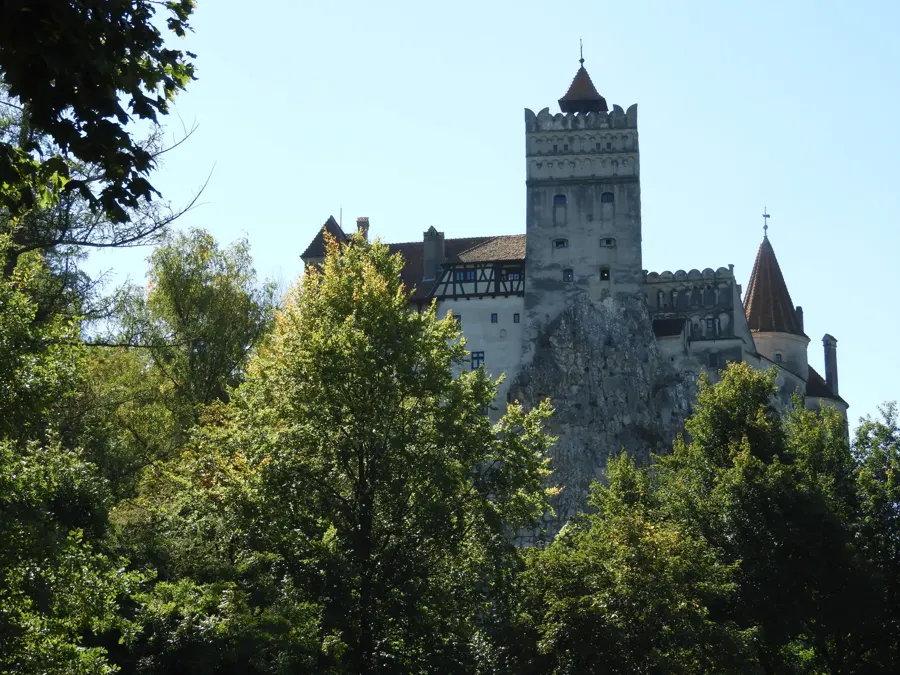
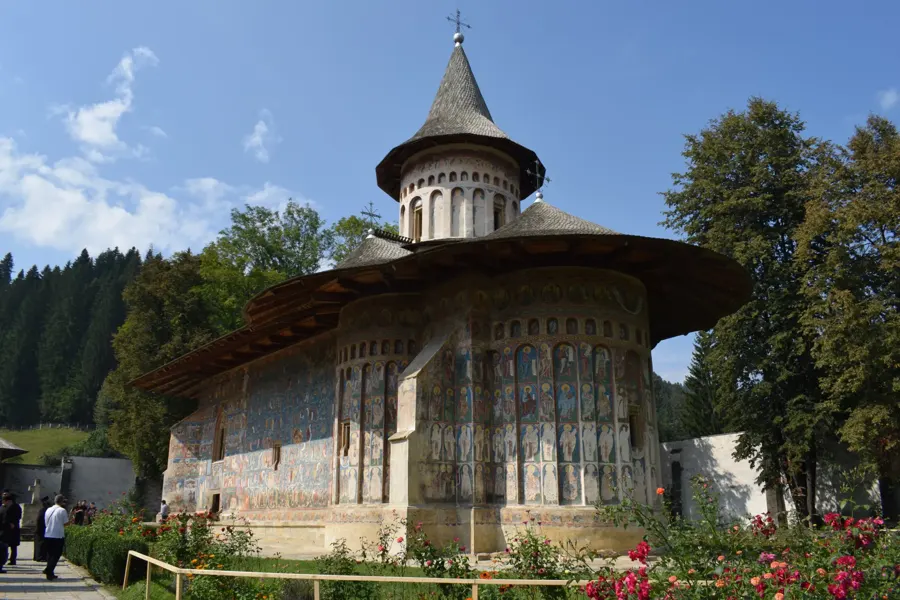
Romania is not a country that shouts for attention. It does not have the crowds of Paris or the polish of Vienna. What it has instead is variety packed into a manageable space: fortified Saxon towns, hilltop castles, painted monasteries, wooden churches, wild mountain passes, and villages where daily life still moves at its own pace. Several of these — the painted monasteries of Bucovina, the wooden churches of Maramureș, and the historic centre of Sighișoara — are UNESCO World Heritage Sites, which gives you a sense of how seriously their heritage is taken.
What people actually come for
- History that is visible, not just described. Medieval streets, Saxon citadels, royal castles and centuries-old monasteries sit within a day’s drive of one another.
- Landscape. The Carpathian Mountains curve through the country in a great arc, and roads like the Transfăgărășan (usually open roughly from July to October, weather and snow permitting) reward those who like a proper drive.
- Slower travel. Villages in Maramureș, Bucovina and Transylvania still keep older rhythms — haystacks in the fields, horse-drawn carts on quiet roads, church bells marking the day.
- Warm, genuine hospitality. Romanians tend to be direct and generous, and hosts in smaller guesthouses often treat visitors like family rather than customers.
Who tends to enjoy it most
Romania particularly suits travellers who prefer real places over polished ones. Couples looking for a quieter alternative to the usual European city breaks, families wanting to show children a different pace of life, and three generations travelling together — grandparents included — all tend to come away pleasantly surprised. It also suits people who like to ask questions and get straight answers, because that is very much the local style.
It suits you less if you are chasing five-star chain hotels on every corner or expect everything to run with Swiss precision. Romania rewards flexibility and curiosity far more than rigid itineraries.
Practical honesty
Romania uses its own currency, the leu (RON), rather than the euro. For UK passport holders, short visits are currently visa-free, though rules can change, so always check the latest guidance from the UK government before travelling. Distances between regions are often longer than they look on a map, given the mountains in between — which is one reason a private driver-guide who knows the roads makes such a difference to how relaxed the trip feels.
How we see our part in it
At Romania Soul Tours, we do not try to sell Romania as something it is not. We organise private, tailor-made trips with a driver-guide, a comfortable pace, and carefully chosen places to stay — the kind of trip where you see the castles and monasteries, but also have time to sit in a village café and simply watch the afternoon go by. Real people reply personally to every enquiry, because we think that matters when you are planning something this personal.
If the idea of genuine landscapes, layered history and unhurried days appeals to you, Romania is very likely worth it. The next step is simple: tell us roughly what you have in mind and we will shape something around it.
Ready to see for yourself? Build your trip and let us put together an itinerary suited to your pace, or browse our tours for inspiration first.