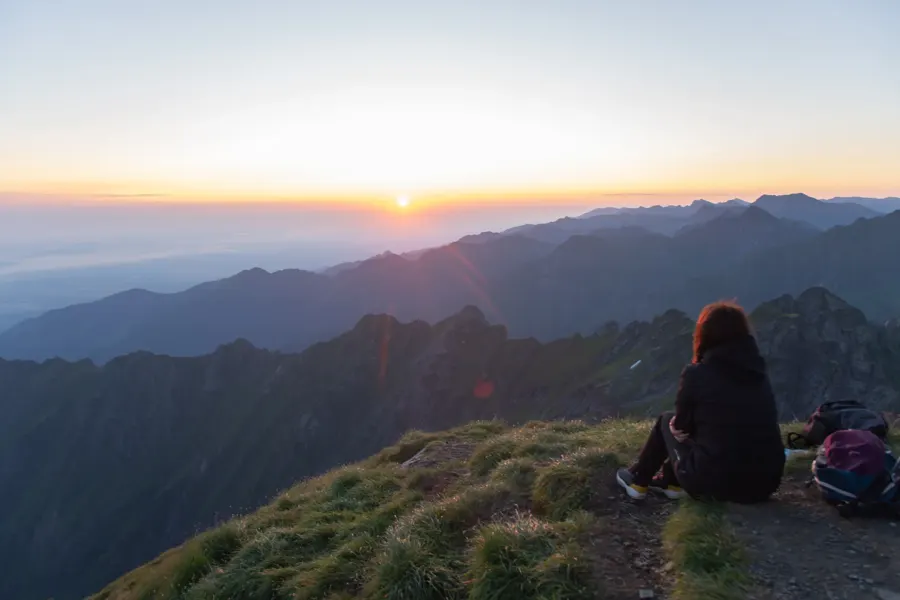


Away from the well-known castles and cities, a look at the quieter corners of Romania that reward those willing to venture further.
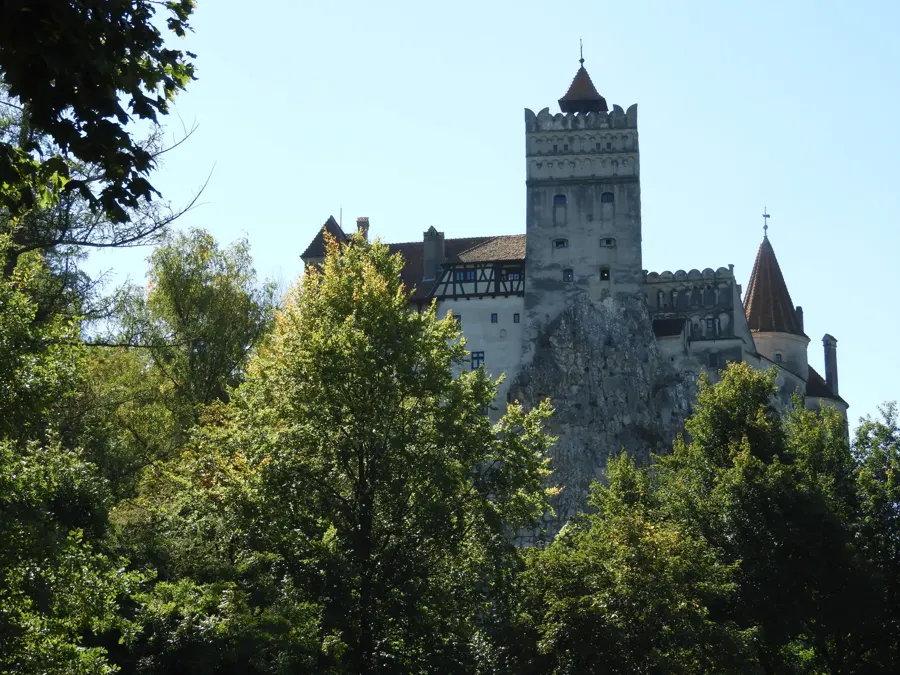
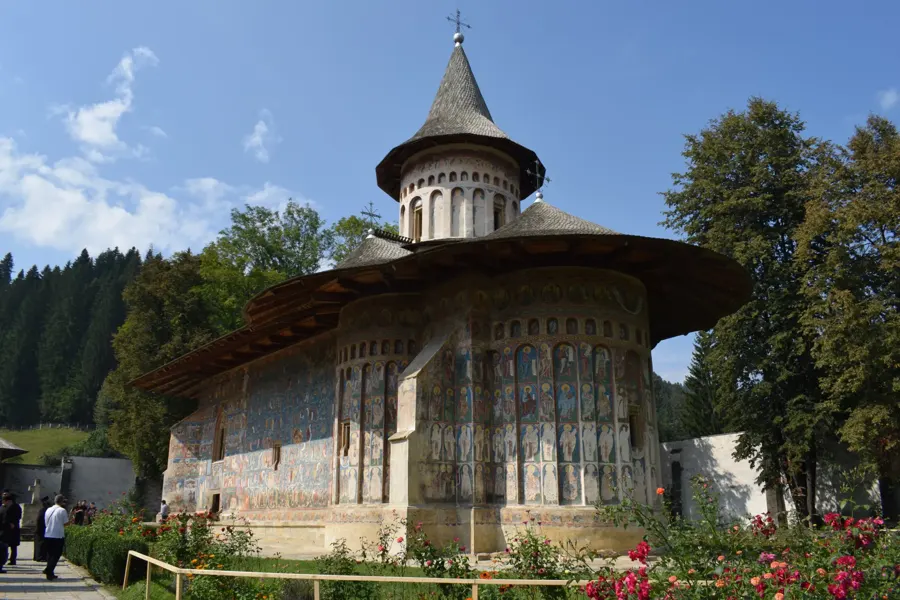
Most first-time visitors to Romania arrive with a shortlist drawn from guidebooks: Bran, Peleș, Sighișoara, perhaps the painted monasteries of Bucovina. All thoroughly deserve their place on that list. But some of the most memorable moments on our trips happen in the places that never quite make it into the guidebook chapters — not because they are secret, exactly, but because they simply take a little more curiosity, and a driver-guide willing to take the smaller road, to reach.
The Apuseni Mountains
Tucked into western Transylvania, the Apuseni Mountains offer a gentler, greener alternative to the higher Carpathian peaks further south and east. Rolling pastures, limestone gorges, cave systems, and small communities still shaped by traditional farming life make this a rewarding detour for travellers who enjoy landscape and quiet as much as any single headline attraction. It is not a region built around one big sight — it rewards a slower look.
Saxon villages like Viscri
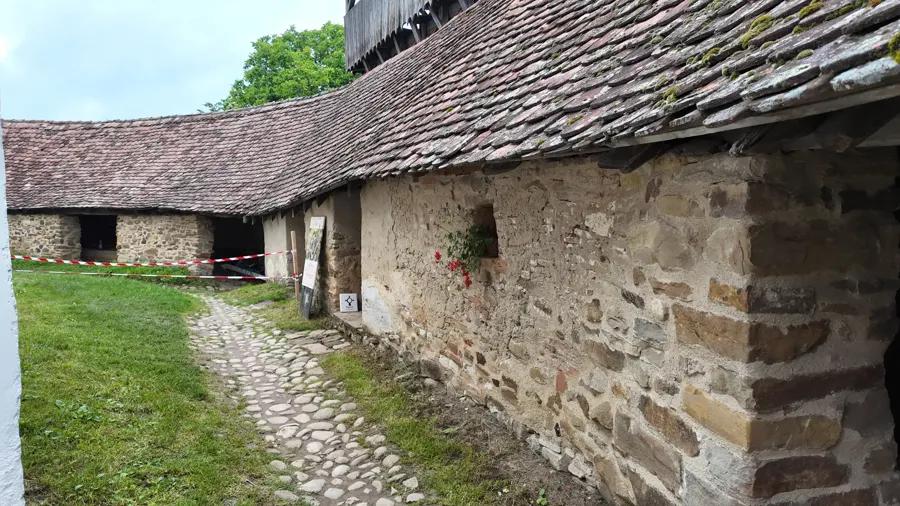
Transylvania's Saxon heritage is well known through Sighișoara's fortified old town, but the smaller Saxon villages scattered through the countryside offer something quieter and, in some ways, more affecting. Viscri, with its fortified church and unhurried village lanes, is perhaps the best known of these smaller settlements, but it is far from the only one — similar villages, each with their own fortified church and rural rhythm, dot the countryside for those willing to follow the smaller roads between the better-known towns.
The Muscel region and Câmpulung Muscel
South of the main Transylvanian trail, the Muscel region around Câmpulung Muscel is a part of Argeș county that rarely appears in standard itineraries, despite its layered history as one of Romania's older settlements and its pleasant setting at the foot of the mountains. It is the kind of place that suits travellers who enjoy a genuine sense of discovery, walking streets that see relatively few tourists, and getting a more grounded feel for Romanian small-town life away from the main circuit.
The villages of Maramureș
Maramureș, in Romania's north, is sometimes mentioned in guidebooks for its UNESCO-listed wooden churches, but the villages surrounding them deserve just as much attention. Wooden gates carved with traditional motifs, haystacks still built by hand in the fields, and a pace of rural life that has changed only slowly over generations make this one of the most distinctive corners of the country for travellers genuinely curious about how life is lived away from the tourist trail.
Why it takes a driver-guide
None of these places are hidden in any dramatic sense — they simply sit slightly off the routes that fixed group tours tend to follow, on roads that reward local knowledge of where to stop, when to linger, and which small detour is worth the extra half hour. A private itinerary can fold these places in naturally, rather than treating them as an either-or against the well-known highlights.
Building a trip around the quieter side of Romania
If the idea of Apuseni's quiet hills, a Saxon village lane, the Muscel region, or a Maramureș village genuinely appeals, it is easy to build a trip that includes both the well-known highlights and these quieter detours, at a pace that leaves room for both.
Curious to see the Romania beyond the usual list? Build your trip and tell us what kind of hidden corners interest you, or look at our tours for a sense of where these detours tend to fit in.