

How Romania works for older travellers — comfortable vehicles, realistic pacing, and an honest look at accessibility.
A gentleman travelling with his wife once told one of our drivers, after a slow morning coffee in Sibiu's main square, that this was the first trip in years where nobody had rushed them anywhere. That is precisely the kind of trip we try to build for older travellers, and it is worth being honest about both what makes Romania work well for that pace of travel, and where a little extra care is needed.
Why the pace suits older travellers
Because our trips are private, with a dedicated driver-guide rather than a coach group timetable, the day can move at whatever pace actually suits you. That might mean a later start after a good breakfast, a longer lunch than planned, or simply stopping the car because a view is too good to drive past. For travellers who no longer want to be marched between sights on someone else's schedule, this tends to be the single biggest difference from a typical group tour.
Getting around comfortably
We use comfortable, well-maintained vehicles suited to the distances involved, with regular stops built into longer drives rather than treated as an afterthought — useful for stretching legs, using facilities, or simply taking in a view along the way. Romania's distances can be longer than they appear on a map because of the mountains between regions, so realistic daily driving times, rather than ambitious ones, are part of how we plan from the outset.
Cobbles, steps and honest accessibility
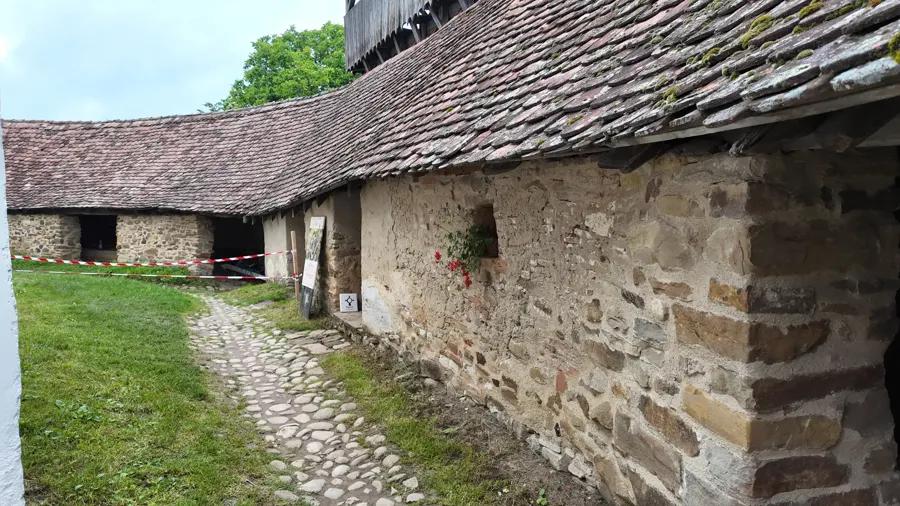
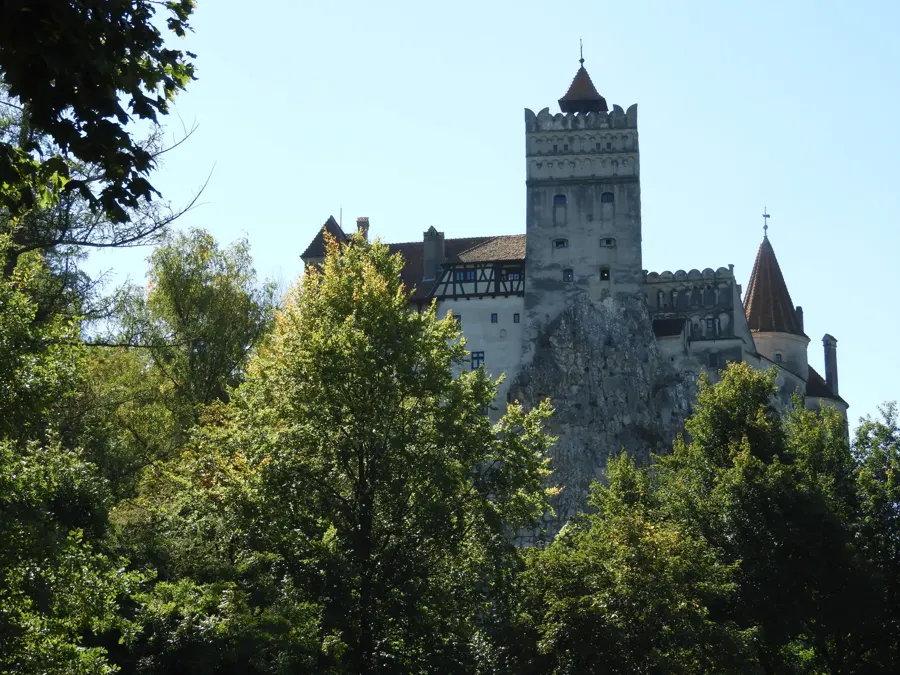
It would not be fair to promise that everything in Romania is effortlessly accessible, and we would rather be straightforward about it than let anyone be caught out. Many of the country's most beautiful old towns — Sibiu, Sighișoara, Brașov — are built on cobbled streets, sometimes with gentle slopes, and some castles and monasteries involve steps, uneven courtyards or narrow stairways that were never designed with modern accessibility in mind. Comfortable, flat walking shoes make a real difference, and it is genuinely helpful for us to know in advance about any mobility considerations, so we can plan routes, pacing and rest stops around them rather than finding out on the day.
Rest days matter
We build rest days or lighter half-days into longer itineraries as a matter of course, rather than only when asked. A trip that alternates a full day of sightseeing with a quieter morning, or an afternoon simply enjoying a guesthouse garden, tends to leave travellers feeling refreshed rather than exhausted by the end of it — and it is usually the difference between a holiday people want to repeat and one they need to recover from.
Where to stay
We lean towards smaller, characterful guesthouses with a warm, personal welcome, many of which are more accommodating about ground-floor rooms or step-free access than travellers might expect — though this does vary by property, and it is another detail worth flagging when you get in touch.
Planning around you
Every itinerary starts with a conversation about how much walking feels comfortable, how long you are happy to sit in a car between stops, and what each day should realistically include. From there, we shape a trip around your pace rather than expecting you to keep up with ours.
If a comfortable, unhurried look at Romania appeals to you, build your trip and tell us a little about your pace and any accessibility considerations, or browse our tours for a sense of how a typical itinerary is put together.